
![[HERO] Boost Your Search Visibility Instantly with These 5 Small Business Website Design Tips](https://cdn.mar4blism.com/OH7fNcVT3NO.webp)
Maintaining a strong digital presence is a fundamental requirement for any modern enterprise. For small businesses in Innisfil and the surrounding neighbourhood, the quality of your website design directly impacts how easily potential customers can find you. Search engine visibility is not a matter of luck; it is the result of deliberate design choices that cater to both human users and search engine algorithms. When your website is structured correctly, it acts as a 24/7 salesperson that attracts leads and builds credibility for your brand.
Implementing effective design strategies is essential for competing in a crowded marketplace. Whether you are running a local gym, a private school, or a busy construction firm, your website must serve as a functional tool rather than just a digital brochure. By focusing on specific technical and structural elements, you can significantly improve your rankings on search engine results pages. This guide outlines five actionable website design tips that will help boost your visibility and ensure your business is found by the right people at the right time.

1. Prioritize Mobile Responsiveness
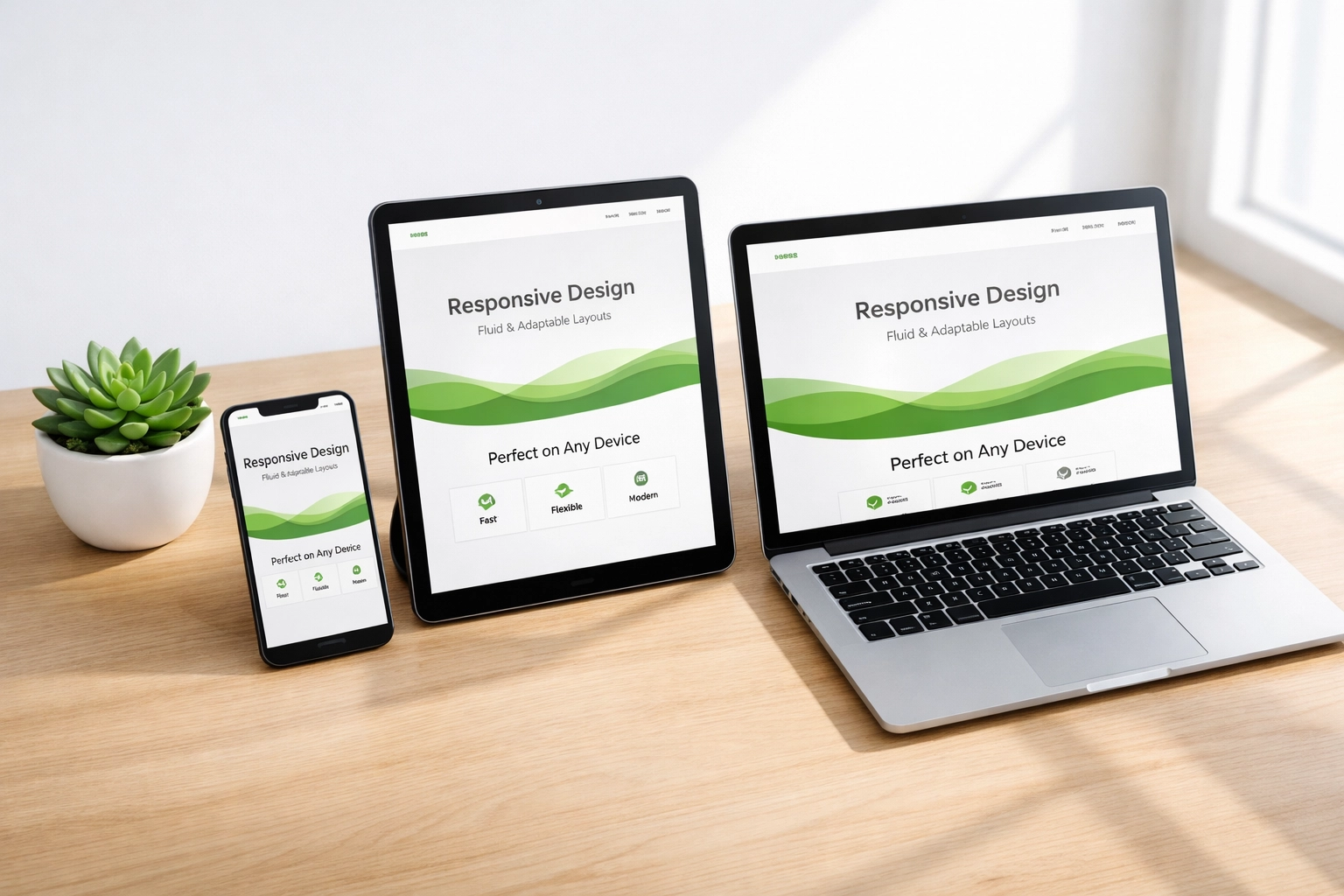
Establishing a mobile-responsive design is vital for modern search engine optimization. In the current digital landscape, a majority of web traffic originates from mobile devices like smartphones and tablets. Search engines have transitioned to mobile-first indexing, which means they primarily use the mobile version of a site's content to rank pages. If your website is difficult to navigate on a phone, your search visibility will suffer regardless of how good your desktop version looks.
A responsive design ensures that your layout, images, and text automatically adjust to fit any screen size. This provides a consistent user experience across all devices. When visitors find a site that is easy to read and interact with on their phone, they are more likely to stay longer. This increased dwell time signals to search engines that your site is valuable, further boosting your rankings. For those interested in deeper technical integration, exploring app creation can further enhance the mobile experience for your loyal customers.
In addition to improving rankings, mobile responsiveness is key to conversion. A contractor website design that allows a user to click a phone number and call directly from their mobile browser is far more effective than one that requires zooming and scrolling to find contact details. Ensuring your site is accessible on the go is the first step toward securing local leads.
2. Optimize Page Load Speed
Improving your page load speed is essential for retaining visitors and satisfying search engine requirements. Research indicates that users expect a website to load in three seconds or less. If your site takes longer, a significant portion of your audience will navigate away before they even see your homepage. This high bounce rate negatively impacts your search engine authority, as it suggests your site does not provide a positive user experience.
Optimizing speed involves several technical adjustments. You should begin by compressing all images to the WebP format, which provides high-quality visuals at a fraction of the file size of traditional JPEGs. In addition, minimizing the use of heavy scripts and excessive plugins is key to keeping your code lean. Small businesses often benefit from professional website maintenance services to ensure that technical bloat does not accumulate over time and slow down the user journey.
As a result of faster loading times, your site will see improved engagement metrics. Search engines reward fast websites because they prioritize the efficiency of the user experience. By making speed a priority in your small business website design, you create a professional impression that reflects the quality of your actual services.
3. Perfect Your On-Page SEO Elements
Focusing on on-page SEO elements is vital for helping search engines understand the context of your website. These elements include title tags, meta descriptions, header tags, and alt text for images. Each of these components provides a roadmap for search engine bots to crawl and index your content accurately. Without these markers, your site remains invisible to the very systems designed to find it.
Title tags are crucial because they appear as the clickable headline in search results. You should include your primary keywords, such as "contractor website design" or "Innisfil digital services," within the first 60 characters. Meta descriptions, while not a direct ranking factor, are essential for improving click-through rates. A well-written description acts as an advertisement for your page, encouraging users to choose your link over others.
Furthermore, using header tags (H1, H2, and H3) helps to structure your content logically. This makes your pages easier to read for humans and easier to categorize for AI. For instance, knowing how to get your business found by AI search in 5 minutes often starts with perfecting these basic on-page elements. Do not forget to add descriptive alt text to your images to ensure they are accessible to all users and can be found in image search results.
4. Create Intuitive Site Architecture
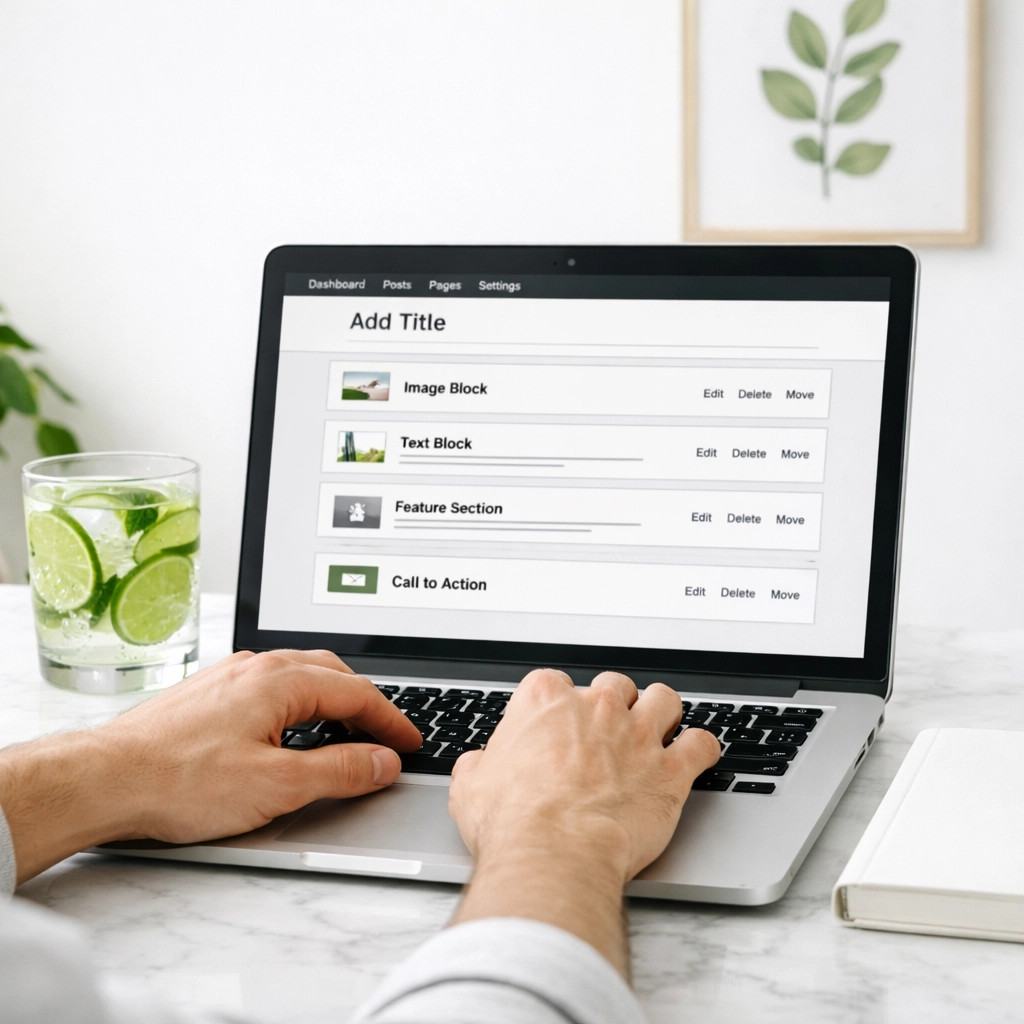
Developing a clear and intuitive site architecture is key to both user satisfaction and search engine crawling. Site architecture refers to how your pages are organized and linked together. A logical hierarchy allows users to find the information they need with minimal effort. It is generally recommended that any page on your website should be accessible within three clicks from the homepage.
A simple menu structure is essential for guiding visitors through your site. For small businesses like schools or gyms, this means having clear sections for classes, pricing, and contact information. When search engines crawl a site with a clean structure, they can easily index all your pages, ensuring that your entire range of services is visible in search results. Using internal links to connect related topics is also a powerful way to distribute "link equity" throughout your site.
In addition, clear calls-to-action (CTAs) should be integrated into your design. These prompts tell the visitor exactly what to do next, whether it is booking a consultation or visiting the about us page to learn more. A well-organized site reduces frustration and encourages users to explore more of what you have to offer, which is a positive signal for your search visibility.

5. Develop High-Quality Keyword-Optimized Content
Producing high-quality, keyword-optimized content is vital for establishing authority in your industry. Search engines favour websites that provide in-depth information that answers the specific questions of their users. For a small business, this often means creating blog posts and service pages that address local needs and common industry pain points. Content should be informative, helpful, and at least 800 to 1,000 words to be considered substantial by search algorithms.
Keyword research is the foundation of effective content creation. You must identify the terms your potential customers are using and incorporate them naturally into your writing. Avoid "keyword stuffing," which is the practice of overusing terms in a way that feels unnatural. Instead, focus on providing value. You can find inspiration by looking at 5 tips for a successful blog to understand how to structure your posts for maximum impact.
Consistent content updates are also essential for maintaining visibility. A blog that is updated regularly signals to search engines that your website is active and relevant. This ongoing effort builds a library of information that attracts organic traffic over the long term. If you are unsure where to start, understanding the importance of having a strong online presence can provide the motivation needed to begin your content journey.
In Summary
Optimizing your website design is a strategic necessity for any small business looking to improve its search visibility. By prioritizing mobile responsiveness, you ensure your site is accessible to the modern consumer. Focusing on page speed and technical performance reduces bounce rates and keeps visitors engaged. Perfecting on-page SEO elements provides the necessary context for search engines to rank your pages accurately. Creating an intuitive site architecture helps both users and search bots navigate your content efficiently. Finally, developing high-quality, keyword-optimized content establishes your business as an authority in your field.
Implementing these five tips will result in a more professional online presence and a significant boost in your digital reach. If you are ready to take your website to the next level or need assistance with your digital strategy, expert help is available.
For any questions regarding web development or to start your next project, please call Rachel at 705-998-4126. Rachel is available to discuss your specific needs and help your business grow its online visibility today.