Search is changing faster than most business owners realize. AI-powered search engines now handle 25% of all global queries, and that number is climbing every month. Traditional search volume is dropping by 25%, and nearly 60% of searches now result in zero-click traffic. Your potential customers are asking questions to AI assistants instead of scrolling through pages of blue links.
The good news is that getting your business found in this new AI-driven world does not require a massive overhaul or months of work. You can take meaningful action in just five minutes with a few strategic moves. The key is understanding what AI search engines prioritize and making quick adjustments to how your business appears online.
Claim and Optimize Your Local Directories
Your first action is to claim your business on every relevant local directory. Start with Google Business Profile, which is essential for local visibility. AI search engines rely on these established entities to understand what your business does, where you are located, and whether to recommend you to searchers.
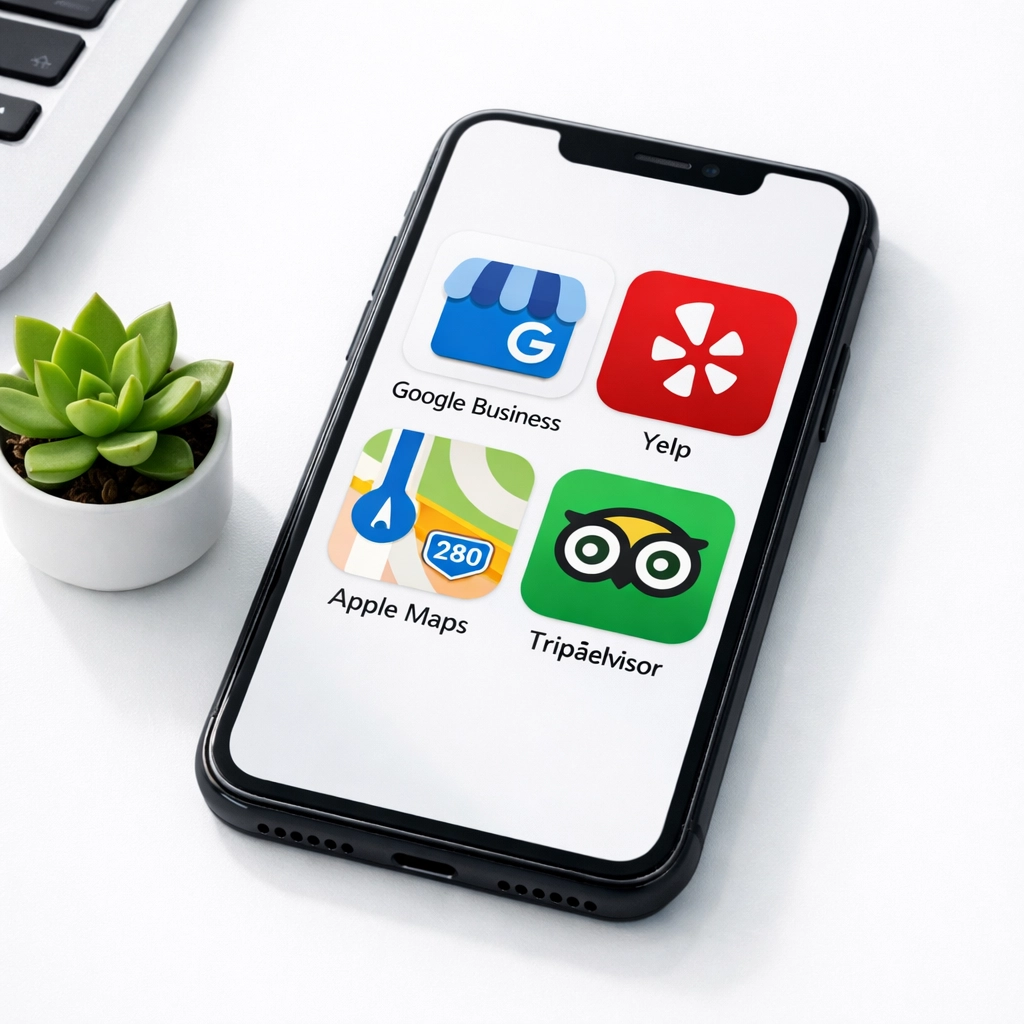
Beyond Google, register on Apple Maps, Yelp, and any industry-specific directories that apply to your business. This process takes approximately two minutes per platform once you have your basic information ready. AI algorithms pull from these trusted third-party sources to verify your business exists and serves your local area.
The critical detail here is consistency. Ensure your business name, address, and phone number match exactly across every platform. AI engines cross-reference this information, and discrepancies can reduce your visibility or cause confusion about your legitimacy.
Gather and Showcase Customer Reviews
Reviews have become one of the strongest signals AI search algorithms use to determine which businesses to recommend. When someone asks an AI assistant for the best plumber in their neighbourhood or where to find quality pizza nearby, review volume and ratings heavily influence the response.
Your focus should be on gathering reviews across multiple platforms rather than concentrating on just one. Google reviews are vital, but so are Yelp reviews, Facebook recommendations, and industry-specific review sites relevant to your business. AI engines aggregate this social proof from various sources to assess your reputation.
Make review collection an ongoing part of your customer interaction process. Send follow-up messages after completing a job or sale, include review links in your email signature, and make it easy for satisfied customers to share their experience. The investment of a few minutes to set up these systems pays continuous dividends in AI search visibility.
Restructure Your Content as Questions and Answers
Traditional keyword-focused content is less effective in the AI search landscape. AI assistants respond to natural language questions, which means your website content needs to directly answer the questions your potential customers are asking.
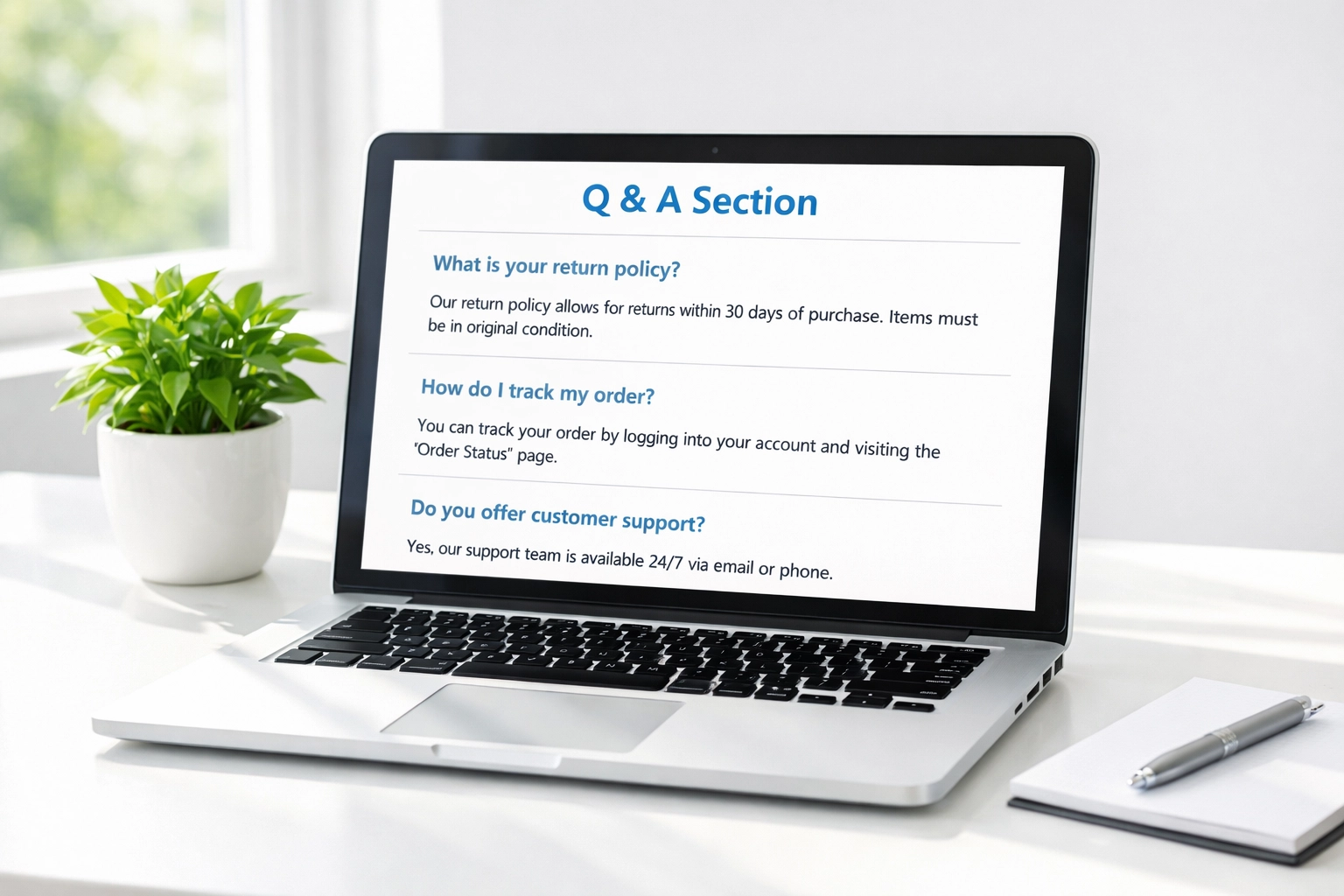
Take three minutes to review your key service or product pages. Instead of only describing who you are and what you do, reformulate your content to address specific questions. For example, change "We provide professional plumbing services" to headers like "What plumbing services are available in Toronto?" or "How quickly can a plumber respond to an emergency in my area?"

This Q&A structure helps AI engines identify your content as directly relevant to user queries. The more precisely your content matches the way people ask questions, the more likely AI search will pull your business as a recommended answer. Focus on the common questions customers ask during initial phone calls or consultations, as these reflect real search behaviour.
Incorporate Location Keywords Throughout Your Site
AI search prioritizes local relevance, which means your geographic location needs to be clear and prominent throughout your online presence. Instead of competing nationally with generic terms, anchor your content to your specific city and service areas.
Add your city name to page titles, headers, and meta descriptions. Include mentions of the neighbourhoods you serve within your content naturally. For instance, "serving homeowners across Scarborough, North York, and downtown Toronto" provides clear geographic signals that AI engines use to match you with local searchers.
This localization extends beyond just mentioning your city once on a contact page. Weave location references into your service descriptions, blog posts, and FAQ sections. The goal is to create multiple data points that confirm your local presence and relevance to AI algorithms scanning your site.
Ensure Your Technical Basics Are Sound
AI search engines evaluate how easily both users and automated systems can navigate your website. Page load speed and mobile optimization are crucial factors that directly impact whether AI assistants recommend your business.
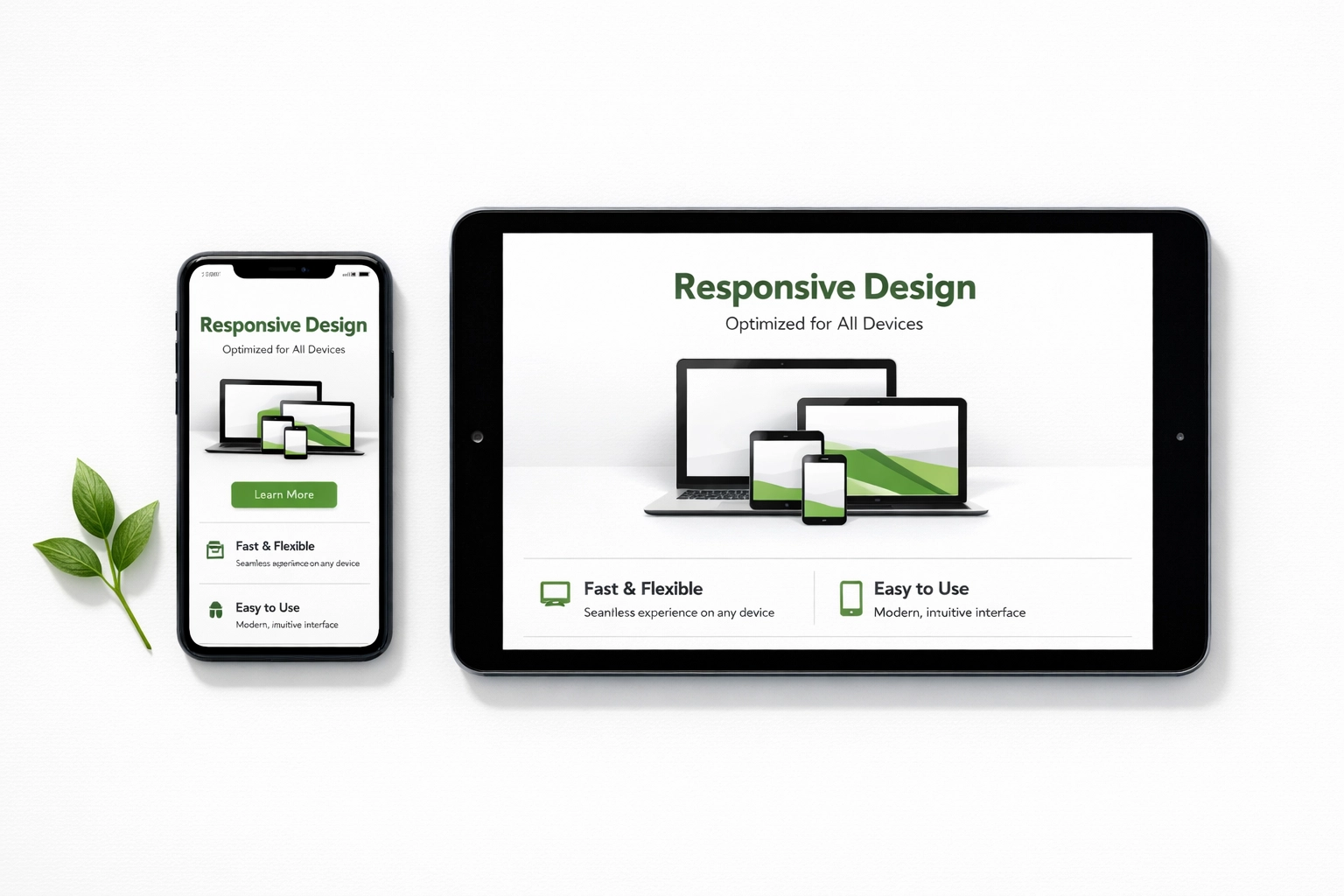
Test your website on a mobile device right now. Does it load quickly? Can you easily read text and tap buttons without zooming? Nearly all local searches happen on mobile devices, and AI engines prioritize sites that deliver smooth mobile experiences.
Fast loading times also matter significantly. If your pages take more than a few seconds to load, both AI crawlers and potential customers will move on. Compress your images, minimize unnecessary scripts, and ensure your hosting can handle traffic efficiently. These technical elements create the foundation that allows AI search to access and recommend your content.
How ONLINEid Keeps Your Business Visible
The shift to AI search is not a one-time adjustment. Search technology continues evolving, and staying visible requires ongoing attention to these foundational elements. This is where having the right support makes the difference between falling behind and staying ahead of your competition.
ONLINEid helps local businesses maintain strong online presence across all the channels AI search engines monitor. From ensuring your website stays technically optimized to managing your directory listings and supporting your review generation efforts, we handle the details that keep you discoverable as search behaviour changes.
Your business content needs regular updates to remain relevant, your technical infrastructure requires monitoring, and your local listings need consistent management. Rather than trying to track all these moving pieces yourself, partnering with a team that understands both current best practices and emerging trends allows you to focus on serving your customers while staying visible to new ones.
Taking Action Creates Competitive Advantage
The businesses that thrive in the AI search era will be those that adapt their online presence to match how people actually search today. Starting with these five-minute actions puts you ahead of competitors still relying solely on traditional SEO tactics.
Your local directories establish your entity in the systems AI engines trust. Your reviews provide the social proof that influences recommendations. Your Q&A content directly answers the questions AI assistants receive. Your location keywords clarify your local relevance. Your technical optimization ensures AI crawlers can access your information efficiently.
Together, these elements create a strong foundation for AI search visibility that continues delivering results as search technology evolves. The initial time investment is minimal, but the ongoing benefit of being found by potential customers when they need your services is substantial.
In conclusion, adapting to AI search does not require complex technical knowledge or significant time commitment. The actions outlined above can be completed quickly and provide immediate improvement to your discoverability. As AI search continues growing and traditional search declines, businesses that take these steps now position themselves for sustained visibility and customer acquisition in the months and years ahead. Your competition is either already making these adjustments or falling behind: the choice of which group you join is yours to make today.