
Maintaining a strong online presence is essential for any small business looking to thrive in 2026. Whether you are a local contractor, a gym owner, or a school administrator, your website often serves as the first point of contact for potential clients and students. In an era where digital first impressions are formed in milliseconds, having a site that is both functional and visually appealing is no longer a luxury but a fundamental necessity.
At ONLINEid, we understand that small business owners are busy running their day-to-day operations. You need a digital partner who can translate your vision into a high-performing website that drives results. This guide explores the modern landscape of web design and provides actionable insights to help you build a site that stands out in the competitive 2026 market.
Prioritize a Mobile-First Design Philosophy
Designing for mobile devices first is the most critical strategy for success in 2026. Since the majority of web traffic in Canada now comes from smartphones, your website must be optimized for smaller screens before considering the desktop experience. This approach ensures that your content is accessible and easy to navigate for users who are on the go.
A mobile-first strategy involves more than just making elements smaller. It requires a fundamental shift in how you present information. You must ensure that buttons are large enough to be "thumb-friendly" and that navigation menus are simplified. When a potential customer in Innisfil searches for a local contractor from their phone, they should be able to find your phone number and service list without any frustration.
Embrace Purposeful Minimalism in Your Layout
Adopting a minimalist design is crucial for keeping visitors focused on your core message. In 2026, the trend has shifted away from cluttered sidebars and flashy pop-ups toward clean, content-forward layouts. By using generous whitespace and thoughtful typography, you allow your value proposition to take centre stage.
Minimalism does not mean your site should look plain or boring. Instead, it means every element on the page must serve a specific purpose. For a local gym, this might mean a high-quality background video of a workout session followed immediately by a clear "Join Now" button. Removing unnecessary distractions reduces the cognitive load on your visitors, making it much more likely that they will stick around and explore your services.

Implement Subtle Motion and Micro-interactions
Integrating motion into your website design is an effective way to guide user attention. In 2026, we focus on subtle micro-interactions rather than overwhelming animations. These small visual cues, such as a button changing colour when hovered over or a progress bar moving as a form is filled out, provide immediate feedback to the user.
These interactions make your website feel alive and responsive to the user's actions. For example, as a visitor scrolls down a page describing your app-creation services, elements can gently fade into view. This creates a sense of professional polish and keeps the user engaged with the content as they move through your site.
Utilize Organic and Asymmetric Layouts
Breaking away from rigid grid structures is a key trend that helps your brand stand out. While traditional websites often follow a very predictable boxy layout, organic and asymmetric designs feel more human and creative. By overlapping images or using soft, rounded shapes, you can create a visual flow that feels natural and modern.
This style is particularly effective for businesses in creative or service-based industries. A contractor website design might use overlapping photos of completed projects to showcase a "before and after" transition. This visual depth encourages visitors to spend more time on your page, which can significantly improve your search engine rankings and overall brand perception.

Focus on High-Performance and Fast Load Times
Optimizing your website’s performance is vital for retaining visitors and improving your SEO. In 2026, users expect a website to load in under three seconds. If your site takes longer, you risk losing potential customers to a competitor whose site is faster. Performance is a foundational element of design that must be considered from the very beginning of the development process.
To achieve these speeds, you should use lightweight, web-optimized fonts and ensure your images are properly compressed. At ONLINEid, we recommend keeping images under 200KB whenever possible. If you are struggling with a slow site, our website maintenance services can help identify bottlenecks and implement technical fixes to get your site running at peak efficiency.
Create Clear and Compelling Calls to Action
Defining clear goals for each page is essential for converting visitors into customers. A call to action (CTA) should be prominent, easy to understand, and visually distinct from the rest of the content. Whether you want someone to book a consultation, sign up for a newsletter, or purchase a Google review add-on subscription, the path to that action should be obvious.
Using active verbs like "Start Today" or "Get a Quote" creates a sense of urgency. In addition, placing your primary CTA in multiple locations: such as the header, the middle of the page, and the footer: ensures that the user never has to search for a way to contact you. If your business relies on appointments, integrating a simple booking website feature can streamline the process for both you and your clients.
Incorporate Visual Depth with Modern UI Techniques
Applying modern user interface (UI) techniques like glassmorphism can add a layer of sophistication to your design. Glassmorphism involves using translucent, frosted-glass effects on cards and navigation bars. This creates a sense of hierarchy and depth, making the interface feel three-dimensional without being distracting.
This technique works well for organizing complex information, such as price lists or service packages. By placing text on a semi-transparent background, you maintain readability while allowing the background colours or images to peek through. This aesthetic is very popular in 2026 and helps position your small business as a modern, forward-thinking brand.
Tailor Content for Your Specific Industry
Developing industry-specific content is key to building trust with your target audience. If you are a contractor, your website should emphasize your portfolio and client testimonials. For a school, the focus might be on upcoming events, staff directories, and enrollment information. Each industry has unique needs that your design must address.
For instance, realtors often benefit from specialized solutions like our realtor website packages. These sites are designed to handle high-quality property listings and lead generation forms. By understanding the specific pain points of your industry, you can create a user experience that directly addresses the needs of your neighbours and clients in the local community.
Maintain Your Site for Long-Term Success
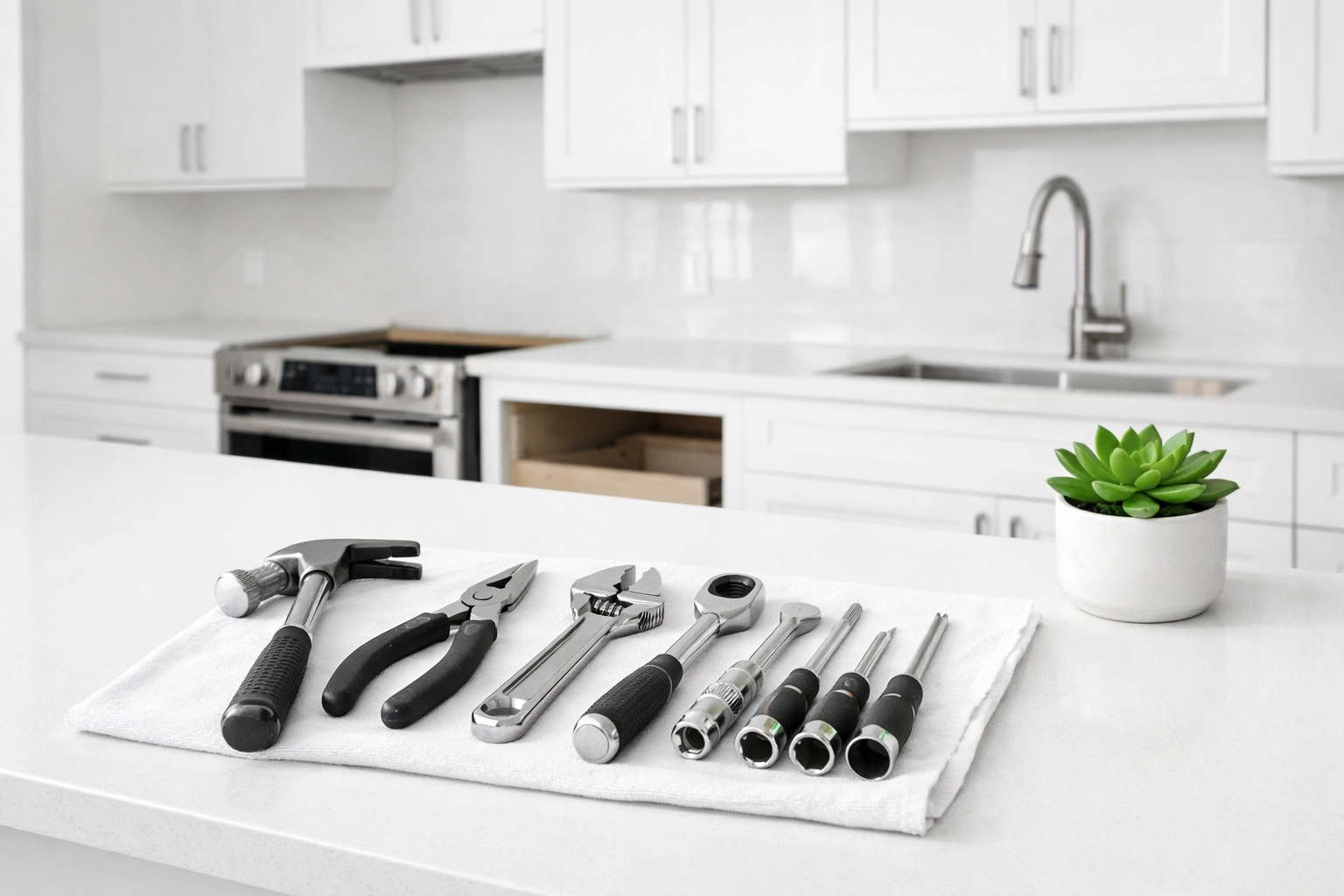
Regularly updating your website is necessary to ensure it remains secure and functional. The digital world moves fast, and a site that looks great today may feel outdated or become vulnerable to security threats within a year. Consistent maintenance involves updating plugins, checking for broken links, and refreshing your content to reflect your current offerings.
For many business owners, handling the technical side of a website can be overwhelming. This is why professional web development company services are so valuable. We can manage the backend details, like hosting and security patches, so you can stay focused on what you do best: running your business. If you ever run into a technical issue, you can easily request a warranty or open a support ticket.
Build Local Trust and Authority
Establishing your business as a local authority is a powerful way to grow. In 2026, search engines prioritize businesses that have a strong local connection. Ensure your address and contact information are consistent across your website and your Google Business Profile. Including references to your local area, such as serving Innisfil or the surrounding Simcoe County, helps people find you when they search for services "near me."
Adding a Google placement add-on can further boost your visibility in local search results. When people see that you are active in their community and have positive reviews from their neighbours, they are much more likely to choose your business over a national chain.
Conclusion
In conclusion, succeeding with a small business website in 2026 requires a balanced focus on mobile-first design, purposeful minimalism, and high performance. By implementing subtle micro-interactions and organic layouts, you can create an engaging user experience that stands out from the competition. It is vital to ensure that your calls to action are clear and that your site is regularly maintained to provide a secure and fast experience for your visitors. When you prioritize the needs of your users and stay current with modern design trends, your website becomes a powerful tool for growth and customer acquisition.
If you have questions about how to improve your current site or want to start a new project, we are here to help. You can reach out to us through our contact page to discuss your vision.
For more personalized assistance and to get your project started, call Rachel at 705-998-4126. Rachel is ready to chat about your needs and help you navigate the best options for your business. Whether you need a simple landing page or a complex web application, our team at ONLINEid is dedicated to your success.