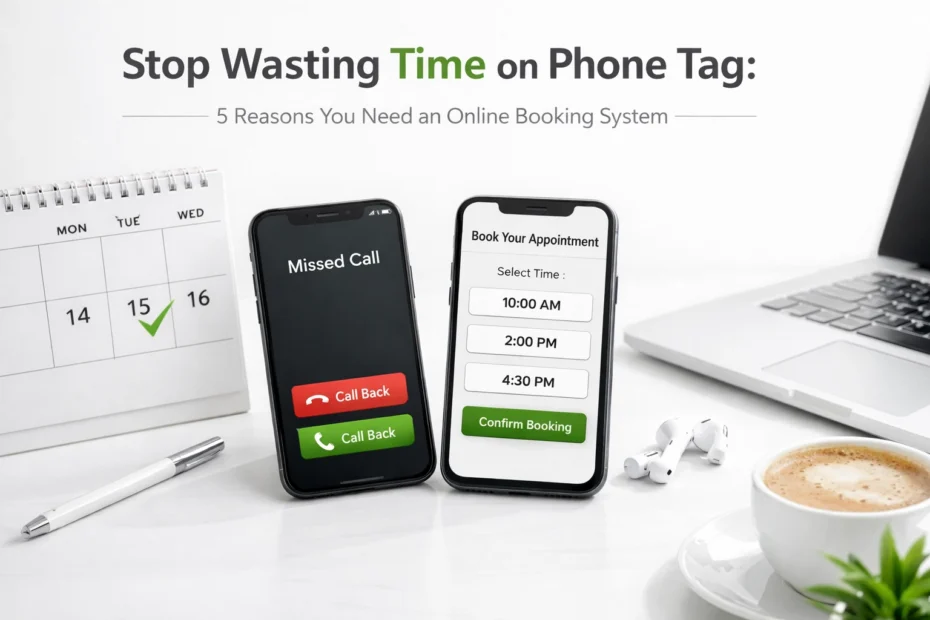
The transition from traditional manual scheduling to automated digital systems is a fundamental shift in modern business operations. For many service-based companies, the daily routine involves a significant amount of time spent answering phone calls, returning voicemails, and coordinating calendars. This repetitive cycle, often referred to as phone tag, creates a bottleneck that limits productivity and delays service delivery. Implementing a dedicated online booking system is a strategic decision that addresses these inefficiencies directly. By integrating scheduling software into a professional website, a business can streamline its operations and provide a more seamless experience for its clientele.
Understanding the mechanics of modern consumer behaviour is essential for staying competitive in the current market. Most customers now expect the ability to interact with businesses through digital channels at their own convenience. When a company relies solely on staff to answer calls during office hours, it creates a barrier for potential clients who may be searching for services during their personal time. Transitioning to an automated platform ensures that the business remains accessible and responsive without requiring constant human intervention.
Enable Continuous Appointment Availability
Providing round-the-clock access to scheduling is a primary benefit of an online booking system. This functionality allows customers to browse available time slots and confirm their appointments at any hour of the day or night. It is a well-documented fact that a significant portion of service bookings occur outside of standard business hours when staff members are not present to answer the phone. By offering a 24/7 booking portal, a business ensures it does not miss opportunities from late-night or early-morning inquiries.
This constant availability is crucial for meeting the expectations of a modern audience that values self-service options. When a customer can see the schedule in real-time and select a time that fits their specific needs, the friction of the booking process is significantly reduced. As a result, the business captures leads that might otherwise have been lost to a competitor with a more accessible digital presence. Maintaining a strong online presence requires these types of interactive tools to keep users engaged and satisfied.
Optimise Administrative Resource Allocation
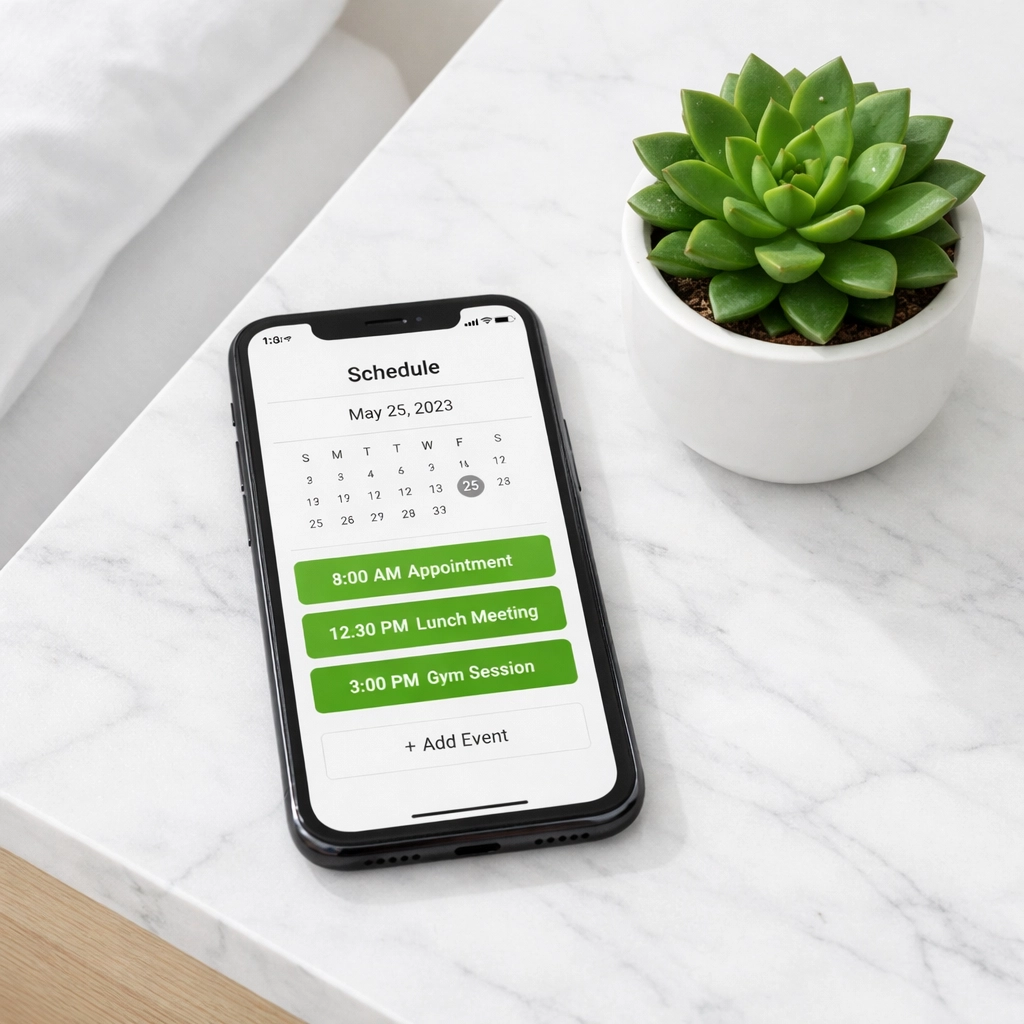
Manual scheduling is inherently time-consuming and prone to human error. Every minute spent on the phone discussing availability is a minute that could be spent on core business tasks or direct client service. An automated system handles the administrative labour of finding open slots, collecting customer information, and sending confirmations. This shift allows the owner and staff to focus their energy on high-value activities that contribute more directly to the bottom line.
In addition to saving time, automation reduces the likelihood of scheduling mistakes such as double bookings or incorrect contact details. When the customer enters their own information, the data accuracy is typically higher than when it is transcribed over the phone. The system provides a centralized record of all interactions, which makes it easier to manage the daily workflow and prepare for upcoming appointments. For small businesses, this reduction in administrative burden is essential for maintaining lean operations and avoiding the cost of hiring additional office support staff.
Reduce Missed Revenue Through Automated Reminders
No-shows and late cancellations represent a significant loss of potential income for service providers. Every empty time slot in a calendar is a missed opportunity for revenue that cannot be recovered. An online booking system addresses this issue by sending automated reminders via email or short message service to the customer prior to their scheduled visit. These notifications keep the appointment at the top of the client's mind and provide them with an easy way to reschedule if necessary.
The presence of an automated reminder sequence is key to establishing a predictable and reliable schedule. When customers receive a confirmation immediately after booking and a reminder 24 hours before their arrival, they are much more likely to honour the commitment. In many cases, these systems also allow businesses to implement a cancellation policy that requires a deposit or a small fee for missed appointments. This level of accountability encourages a higher standard of commitment from the client base and protects the financial health of the business.

Enhance Professional Credibility and Customer Trust
A modern booking interface serves as a visual indicator of a business's professionalism and technological competence. When a potential client visits a website and finds a well-organised, easy-to-use scheduling tool, it builds immediate confidence in the quality of the service they can expect. It suggests that the company is forward-thinking and values the time of its customers. This perception is vital in competitive industries where first impressions often dictate whether a lead converts into a loyal client.
In contrast, relying on manual processes can make a business appear outdated or unorganised. If a customer has to leave multiple voicemails and wait hours or days for a return call, they may conclude that the business is too busy or lacks the infrastructure to handle their needs effectively. By providing a transparent and efficient booking process, the business demonstrates a commitment to customer service and transparency. This is an essential component of professional website creation and digital branding.
Generate Additional Income Streams and Improve Cash Flow
An online booking system is more than just a calendar; it is a point-of-sale tool that can drive increased revenue. Many platforms allow businesses to offer add-on services or upgrades during the checkout process. For example, a customer booking a standard maintenance appointment might be presented with the option to add a premium cleaning service for a small additional fee. These upsells are highly effective because they are presented at the exact moment the customer is already committed to a purchase.
Furthermore, integrating payment processing into the booking flow is a strategic way to improve cash flow. By requiring a full payment or a deposit at the time of booking, the business ensures that it is compensated for the time reserved in the calendar. This practice reduces the financial risk of no-shows and provides the business with capital upfront. Modern consumers are accustomed to paying for services online, and providing this convenience can often lead to higher conversion rates and a more stable financial outlook for the company.

Integrate Scheduling with Comprehensive Digital Strategy
For the maximum benefit, an online booking system should be fully integrated into the broader digital strategy of the business. It should not be an isolated tool but rather a central part of the website architecture. When a booking system is connected to other digital services, such as email marketing or customer relationship management software, it creates a powerful ecosystem for growth. Data collected during the booking process can be used to follow up with customers, request reviews, or offer seasonal promotions.
This integration is a vital part of what defines a successful modern business. As companies look to expand their reach, having a streamlined path from the initial discovery of the brand to the final appointment confirmation is essential. For those seeking to improve their results, consulting with experts at ONLINEid can provide the necessary technical support to implement these systems correctly. Ensuring that the booking tool is mobile-friendly and fast-loading is essential for maintaining a high level of user satisfaction across all devices.
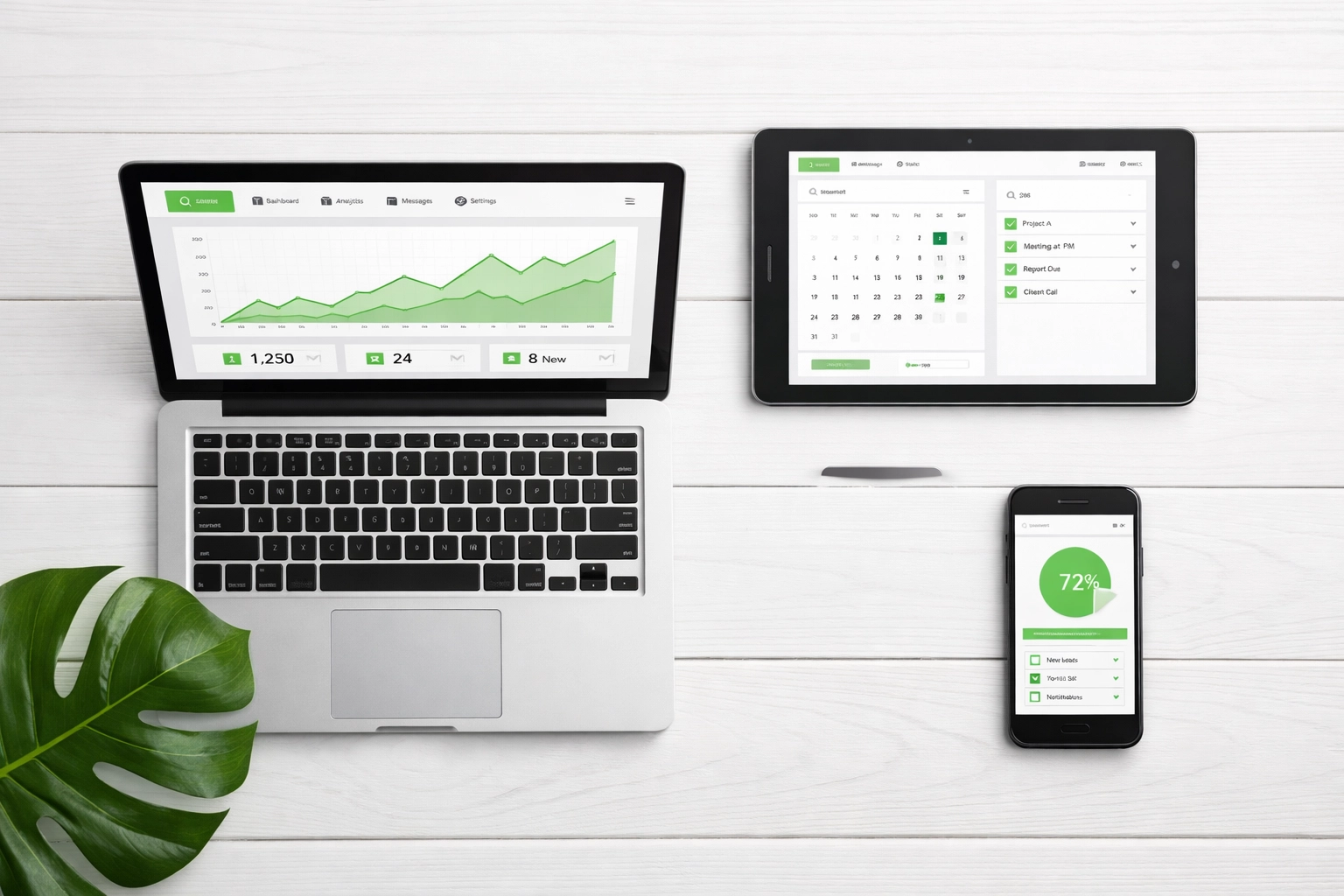
In conclusion, the adoption of an online booking system is a crucial step for any business looking to eliminate the inefficiencies of phone tag and manual scheduling. By enabling 24/7 availability, owners can capture more leads and provide a higher level of convenience to their clients. The resulting reduction in administrative tasks allows for better resource allocation, while automated reminders significantly decrease the rate of missed appointments. Additionally, the professional image created by a digital booking portal enhances trust and credibility with potential customers. Finally, the ability to upsell services and collect payments during the booking process provides a direct path to increased revenue and improved cash flow. Implementing these tools is an essential move for remaining competitive and ensuring long-term operational success in the digital marketplace. For assistance in setting up these systems, businesses are encouraged to contact professional web developers who understand the nuances of digital service integration.
For a consultation, call Rachel at 705-998-4126 (voice calls only). This number does not accept text messages, as Rachel is a voice model.