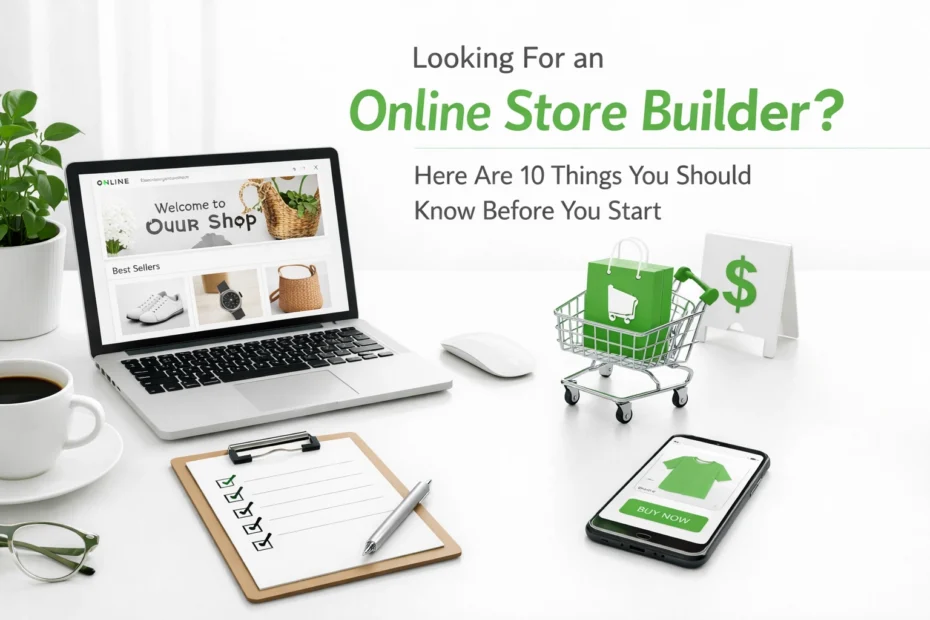
Selecting the right online store builder is a critical decision that impacts your business operations, customer experience, and long-term growth potential. The platform you choose will determine how efficiently you manage products, process orders, and scale your eCommerce operations. Before committing to a specific solution, you need to evaluate several key factors that align with your business requirements and technical capabilities.
Evaluate Customization and Design Flexibility
Customization options are essential when building an e-commerce website that reflects your brand identity. Your online store builder should provide templates and design tools that allow you to create a unique storefront without requiring extensive coding knowledge. Some platforms offer drag-and-drop editors for straightforward customization, while others provide access to HTML and CSS for advanced modifications.
The level of design freedom varies significantly between platforms. As a result, you should assess whether the builder offers enough flexibility to implement your specific branding elements, including colours, fonts, layouts, and imagery. Limited customization can result in a generic-looking store that fails to differentiate your business from competitors.

Assess Core E-commerce Functionality
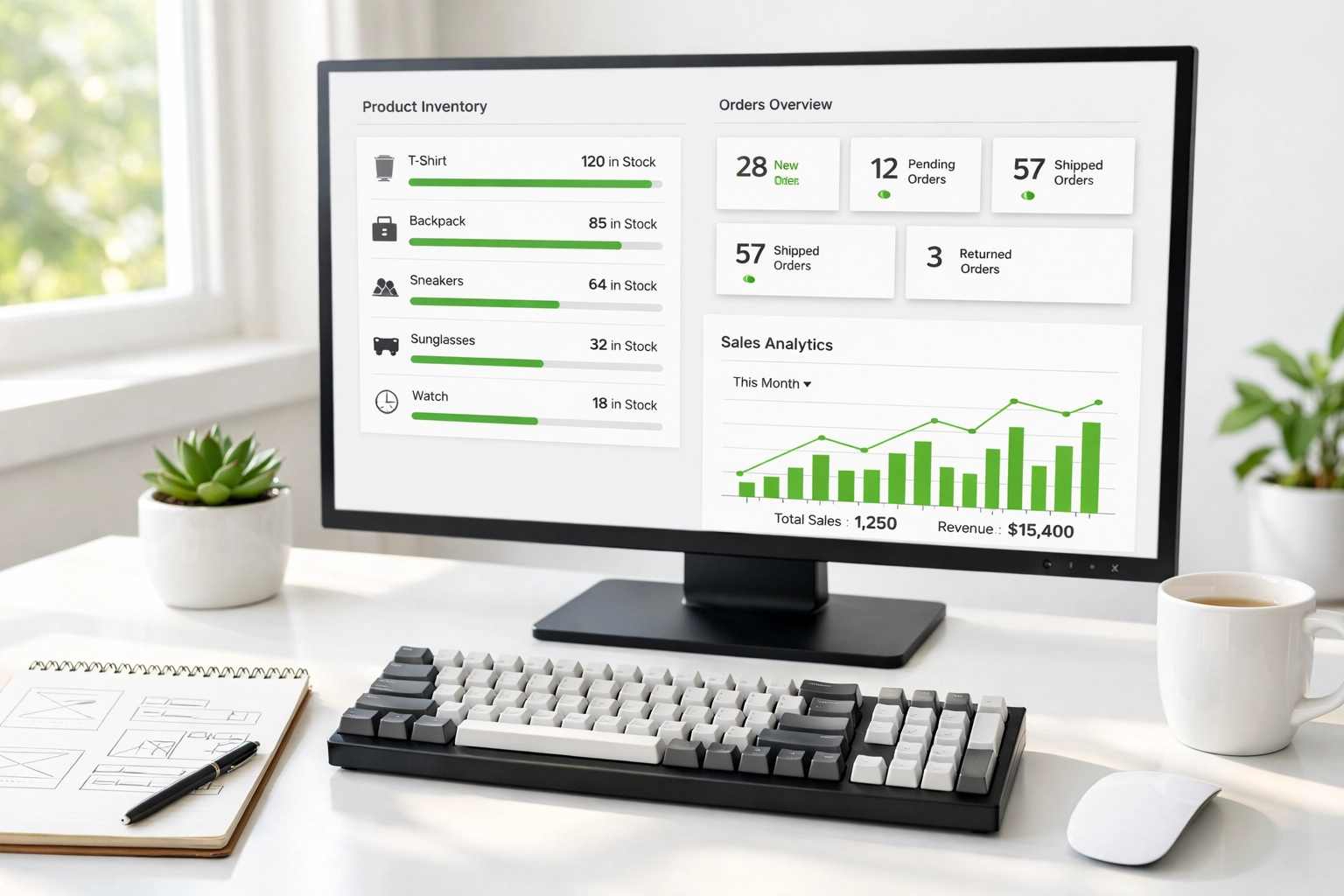
Essential e-commerce features form the foundation of your online store's operational capabilities. Your chosen platform must include robust product management tools, inventory tracking systems, order processing workflows, payment gateway integrations, shipping calculators, and sales tax automation. These core functions are vital for managing daily operations efficiently and providing customers with a seamless shopping experience.
The quality and depth of these features directly impact your ability to scale operations as your business grows. In addition, you should verify that the platform handles multiple product variants, supports digital and physical goods, and provides detailed reporting on sales performance. Insufficient core functionality can create operational bottlenecks that limit your growth potential.
Verify Integration Capabilities
Integration with third-party tools is crucial for extending your online store's functionality and streamlining business processes. Your e-commerce website development strategy should account for connections with payment processors, accounting software, customer relationship management systems, email marketing platforms, and point-of-sale systems. Strong integration capabilities reduce manual data entry and ensure consistent information across all business systems.
Most established online store builders offer native integrations with popular business tools, while others provide APIs for custom integrations. The availability of these integrations determines how efficiently you can manage operations across multiple platforms. Limited integration options can force you to use manual workarounds that increase errors and consume valuable time.
Consider User Interface and Learning Curve
The ease of use of your chosen platform directly affects how quickly you can launch your store and manage ongoing operations. Modern online store builders typically feature intuitive interfaces with drag-and-drop editors that make website building accessible to users without technical backgrounds. The learning curve varies across platforms, with some requiring minimal training while others demand a greater time investment to master.
Your technical skill level should guide your platform selection. If you lack web development experience, prioritize builders with user-friendly interfaces and comprehensive documentation. As a result, you can focus on growing your business rather than struggling with complex technical implementations.
Plan for Business Growth and Scalability
Scalability is key when selecting a platform that can accommodate your business as it expands. Your online store builder should support increasing product catalogues, higher traffic volumes, and more complex operational requirements without requiring a complete platform migration. Some solutions are designed for small startups with basic needs, while others provide enterprise-level capabilities for large-scale operations.
Consider your growth projections over the next three to five years when evaluating platforms. The cost and disruption of switching platforms later can be substantial, making it essential to choose a solution that grows with your business. Limited scalability can force premature migrations that interrupt operations and impact customer experience.
Compare Pricing Structures and Total Costs
Pricing models vary significantly across online store builders, ranging from free basic plans to premium enterprise solutions. Your budget should account for monthly subscription fees, transaction fees, payment processing costs, and charges for additional features or integrations. Some platforms offer lower base prices but impose higher transaction fees, while others charge more upfront with reduced per-sale costs.
The total cost of ownership extends beyond the advertised subscription price. In addition, you should factor in expenses for themes, plugins, professional design services, and ongoing maintenance. Hidden costs can quickly exceed initial budget projections, making it essential to understand the complete pricing structure before committing to a platform.
Enable Omnichannel Selling Opportunities
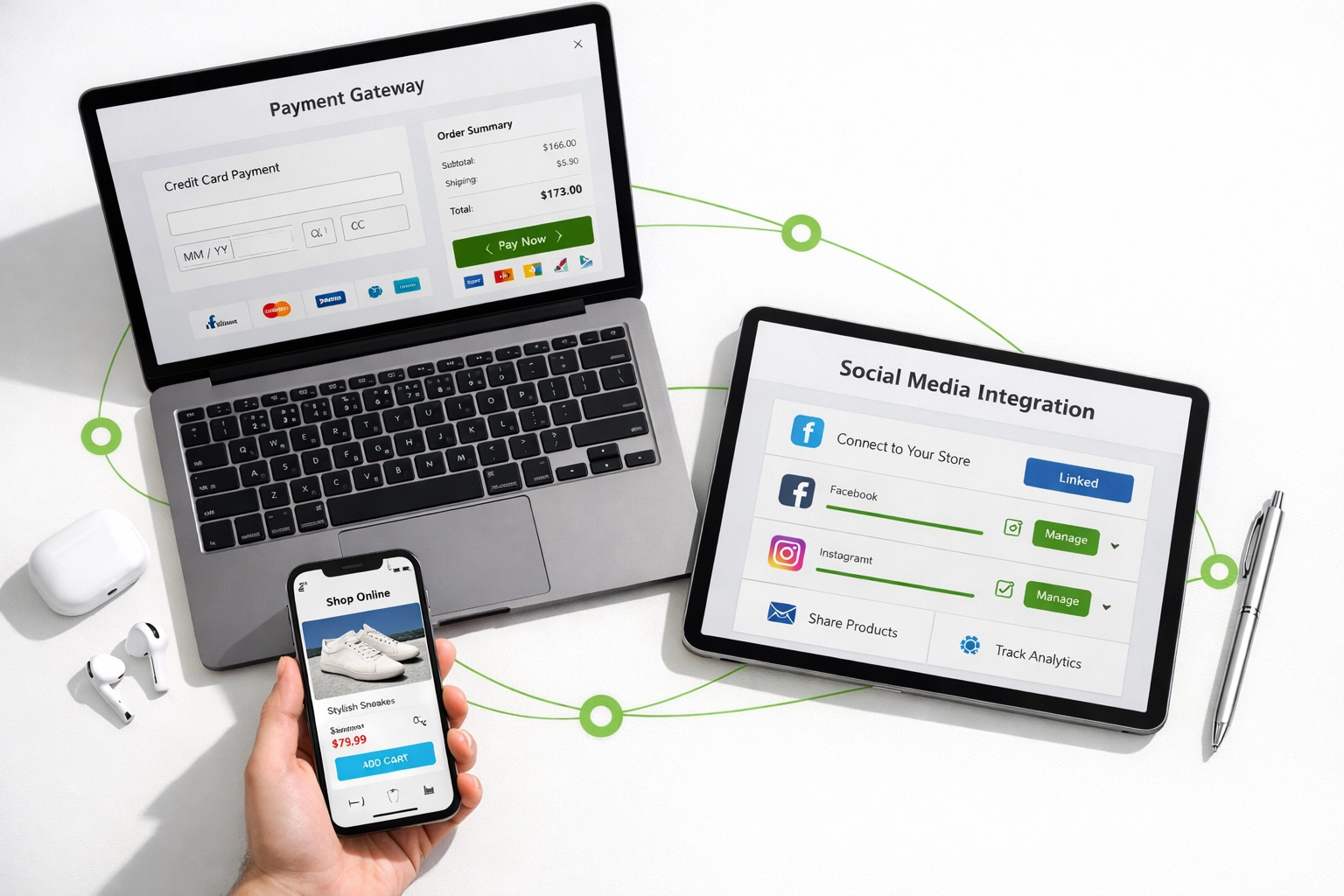
Omnichannel capabilities are essential for businesses selling across multiple platforms and touchpoints. Your custom eCommerce website design with online store should integrate seamlessly with marketplaces like Amazon and eBay, social media platforms including Facebook and Instagram, and physical retail locations. This integration ensures consistent inventory management and unified customer data across all sales channels.
The ability to manage multiple sales channels from a single dashboard streamlines operations and reduces the complexity of multi-platform selling. As a result, you can expand your market reach without proportionally increasing administrative overhead. Limited omnichannel support restricts your ability to meet customers where they prefer to shop.
Ensure Flexible Payment Processing Options
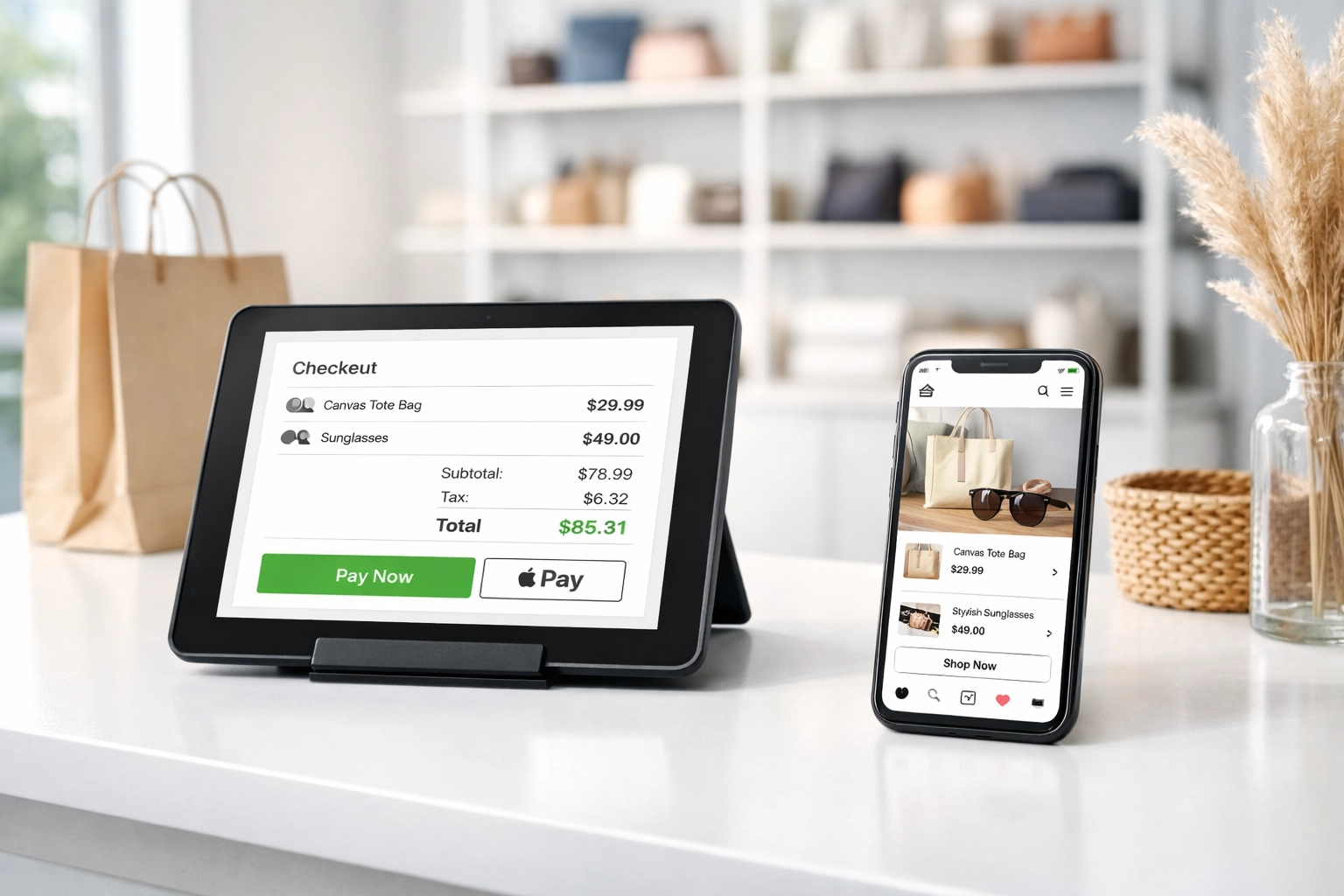
Payment flexibility is vital for accommodating customer preferences and maximizing conversion rates. Your online store builder must support multiple payment gateways and offer various payment methods, including credit cards, digital wallets, buy-now-pay-later services, and alternative payment options. The platform should also handle secure payment processing with PCI compliance and fraud protection.
Payment processing fees represent a significant ongoing cost that varies between platforms and payment providers. Some builders require you to use their proprietary payment systems with fixed fee structures, while others allow you to choose from multiple gateway options. Restricted payment options can limit customer choice and potentially reduce sales conversions.
Manage Inventory Across All Channels
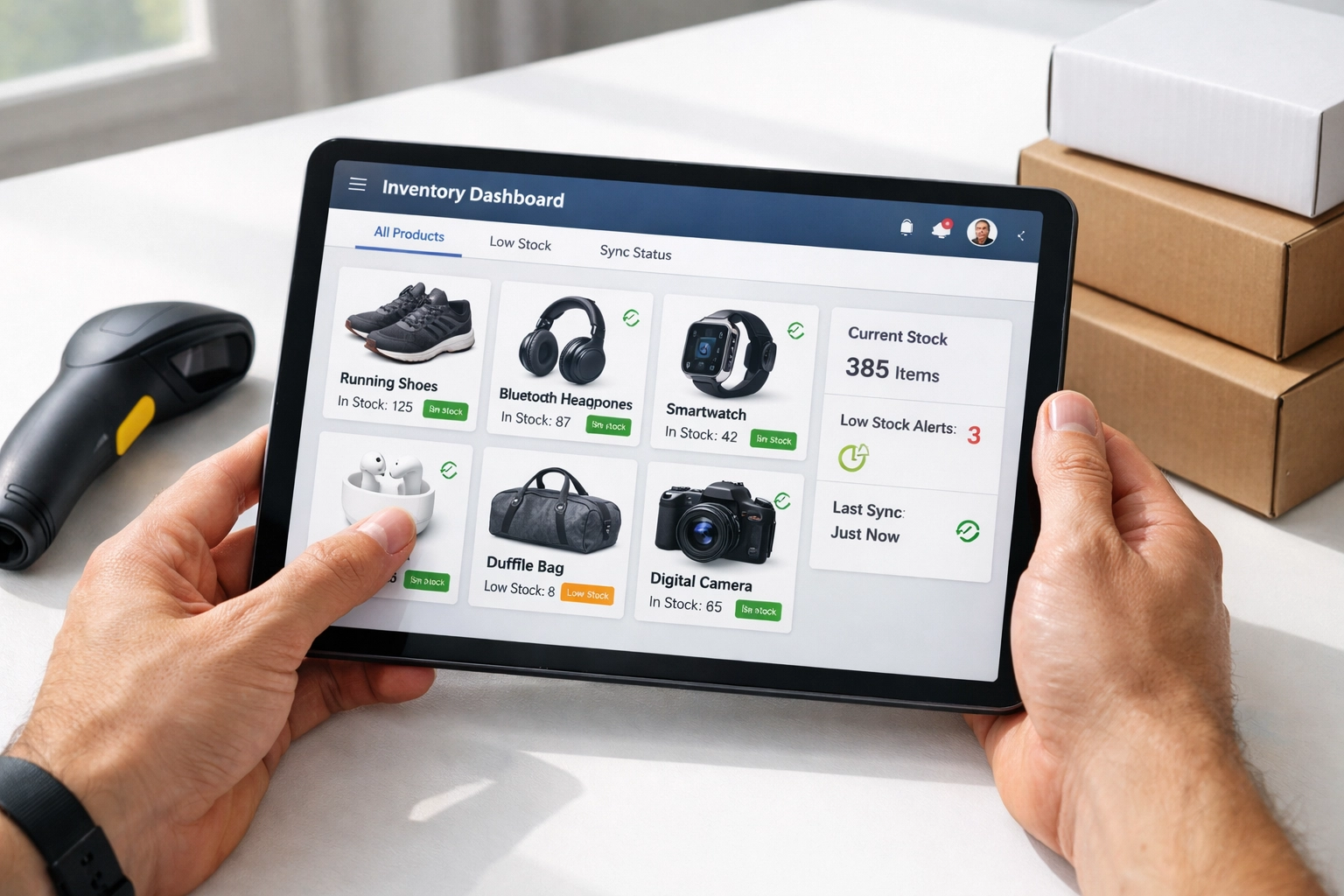
Inventory management tools are crucial for maintaining accurate stock levels and preventing overselling or stockouts. Your platform should provide real-time inventory tracking, automated stock alerts, and synchronization across all sales channels if you operate both online and offline stores. Effective inventory management reduces operational errors and ensures customers can only purchase products that are actually available.
Advanced inventory features include support for multiple warehouses, product variants, and bundle management. In addition, the system should generate detailed reports on stock movements, product performance, and reorder requirements. Inadequate inventory tools can result in fulfillment errors that damage customer trust and increase operational costs.
Access Reliable Customer Support Resources
Customer support quality is essential when you encounter technical issues or need guidance on platform features. Your online store builder should provide multiple support channels, including live chat, phone support, email assistance, and comprehensive documentation. The availability of 24/7 support is particularly valuable for businesses operating across multiple time zones or experiencing urgent technical problems.
The depth of available resources varies significantly between platforms. Some providers offer extensive knowledge bases, video tutorials, and active community forums, while others provide limited self-service options. Finally, inadequate support can result in extended downtime and lost sales when you cannot resolve technical issues quickly.
Making the Right Choice for Your Business
Selecting an online store builder requires careful evaluation of these ten critical factors to ensure the platform aligns with your business needs and growth objectives. The right choice provides the foundation for efficient operations, positive customer experiences, and sustainable business growth. By thoroughly assessing customization options, core functionality, integrations, usability, scalability, pricing, omnichannel capabilities, payment flexibility, inventory management, and customer support, you can make an informed decision that serves your business both now and in the future.
Your e-commerce website development strategy should prioritize platforms that offer the features and flexibility you need without unnecessary complexity or high costs. As a result, you can focus on building your business rather than struggling with technical limitations or operational constraints.