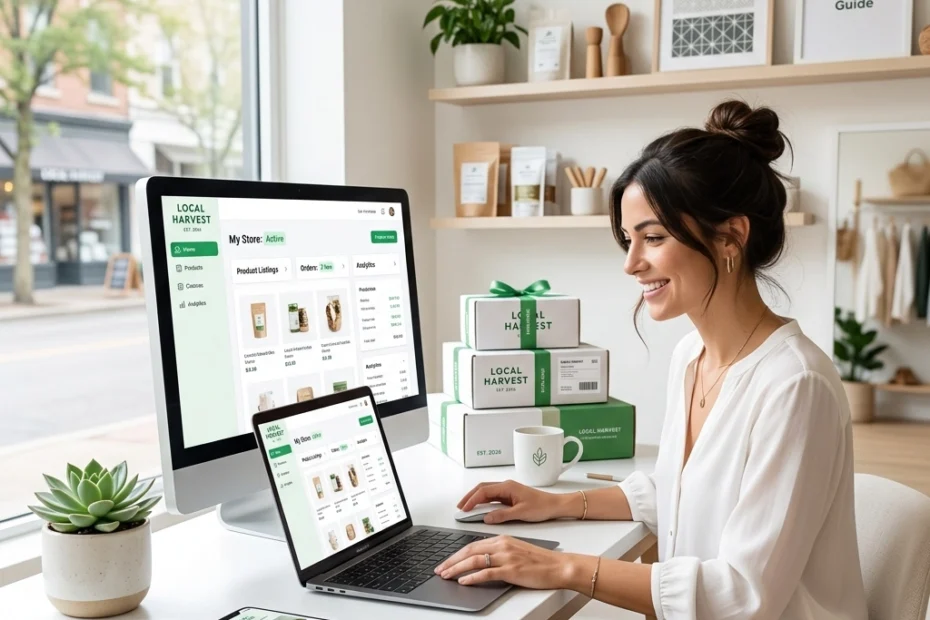
Starting an online store in 2026 is no longer a luxury for local businesses; it is a fundamental requirement for survival and growth. As consumer habits continue to shift toward digital convenience, local shops in areas like Innisfil and the surrounding Simcoe County must bridge the gap between their physical storefronts and the digital marketplace. This guide provides a clear, actionable path for small business owners to establish a professional eCommerce presence that attracts local customers and reaches new markets.
Establish a Solid Legal and Business Foundation
Registering your business officially is the first step toward building a credible online presence. You must choose a legal structure that protects your personal assets and complies with Canadian regulations. Most local entrepreneurs select a sole proprietorship for its simplicity or a Limited Liability Company (LLC) structure to ensure their personal finances remain separate from their business liabilities.
Obtaining a Business Number and registering for relevant taxes is crucial for operating legally. You will need these details to open a business bank account and to set up secure payment gateways. In addition, acquiring an Employer Identification Number (EIN) is often a requirement when you begin working with international suppliers or specific digital platforms. This legal groundwork ensures that your store is prepared for growth and remains compliant with local and national laws.

Select the Right eCommerce Platform for Your Needs
Choosing a capable online store builder is essential for managing your inventory, processing sales, and providing a smooth user experience. The market in 2026 offers a variety of tools, but you should prioritize platforms that offer a balance of ease of use and technical flexibility. For many local businesses, WooCommerce integrated with a WordPress site provides the custom control needed to stand out in a crowded market.
When evaluating ecommerce website development options, you should look for features such as mobile responsiveness, secure checkout processes, and integrated shipping calculators. A platform that allows you to manage both physical and digital products will give your business the versatility it needs to adapt to changing trends. It is vital to select a system that can grow with your business, allowing you to add more features as your customer base expands.
Design a User-Centric Digital Storefront
Creating a clean and intuitive layout is key to keeping visitors on your site and encouraging them to make a purchase. You should avoid cluttered designs that overwhelm the user and instead focus on clear navigation and high-quality visuals. Organizing your products into logical categories with a prominent search bar helps customers find exactly what they are looking for without frustration.

Your design must reflect your brand identity while remaining professional and trustworthy. This involves using consistent colours, fonts, and imagery that align with your physical shop’s atmosphere. Essential pages such as "About Us," "Contact Information," and "Shipping Policies" are crucial for building trust with new visitors. Since a large portion of online shopping occurs on smartphones, ensuring your website looks and functions perfectly on mobile devices is a non-negotiable requirement in 2026.
Implement Secure Payment and Transparent Shipping Systems
Offering a variety of payment methods is essential for reducing cart abandonment and improving customer satisfaction. Your store should support major credit cards, digital wallets like Apple Pay or Google Pay, and secure platforms like PayPal. It is vital to monitor transaction fees and choose a provider that balances cost-effectiveness with high-level security features to protect both you and your customers.
Setting up clear shipping and fulfillment rules is equally important for a successful launch. You must decide whether you will handle shipping in-house, offer local pickup for neighbours in the community, or use a third-party logistics provider. Displaying shipping rates and estimated delivery times early in the checkout process prevents "sticker shock" for the customer. For local businesses, offering a "click and collect" option can be a significant advantage over larger corporate competitors.
Optimize Your Store for Local and Global Search
Improving your visibility on search engines is a vital component of your digital marketing strategy. You should focus on local SEO tactics to ensure that people searching for products in your neighbourhood can find your store easily. This includes maintaining an updated Google Business Profile and using relevant keywords throughout your product descriptions and blog posts.
Writing descriptive, keyword-rich product titles and meta descriptions helps search engines understand what you are selling. In addition, creating helpful content on your site, such as guides or tutorials related to your products, can drive organic traffic and establish your authority in your niche. If you need help organizing your content strategy, checking out the ONLINEid blog can provide more insights into digital trends and marketing tips.
Manage Inventory and Customer Relationships Efficiently
Maintaining an accurate record of your stock levels is crucial for preventing overselling and ensuring customer satisfaction. You should use inventory management tools that sync in real-time across your online store and your physical location. This prevents the embarrassment of a customer ordering an item online that has already been sold in-person.
Building long-term relationships with your customers involves more than just a single sale. You should implement a system for collecting email addresses (with permission) to send out newsletters, promotions, and updates. Providing excellent customer service through clear communication and easy return policies will turn one-time buyers into loyal advocates for your brand. Using a CRM system to track customer interactions can help you personalize your marketing efforts and improve retention rates.

Leverage Professional Solutions for a Fast Start
Building an online store from scratch can be a daunting task for a busy business owner. This is where professional services like those offered at ONLINEid become a valuable asset. Instead of spending months trying to master the technical side of web development, you can utilize quick-start solutions designed specifically for local businesses and real estate professionals.
Whether you need a specialized website or webapp or a simple booking website, professional help ensures that your site is secure, fast, and optimized for conversions from day one. This allows you to focus on what you do best: running your business: while the technical experts handle the backend. Expert guidance can save you from common pitfalls and ensure your ecommerce website development project stays on track and within budget.
Conclusion and Next Steps
Establishing an online store in 2026 is an achievable goal that offers significant rewards for local businesses. By following a structured approach: from legal registration and platform selection to design and marketing: you can create a digital presence that complements your physical shop and opens new doors for revenue. The key is to start with a solid foundation, prioritize the user experience, and remain consistent in your marketing efforts.
If you are ready to take your business online but aren't sure where to begin, professional support is just a phone call away. You can reach out to Rachel at 705-998-4126 to discuss your specific needs and find the right digital solution for your shop. Taking the step to digitize your business today ensures that you remain competitive and accessible to your customers in the years to come. In conclusion, the move to eCommerce is a vital investment in the future of your local brand, providing the tools necessary to thrive in a modern marketplace.