
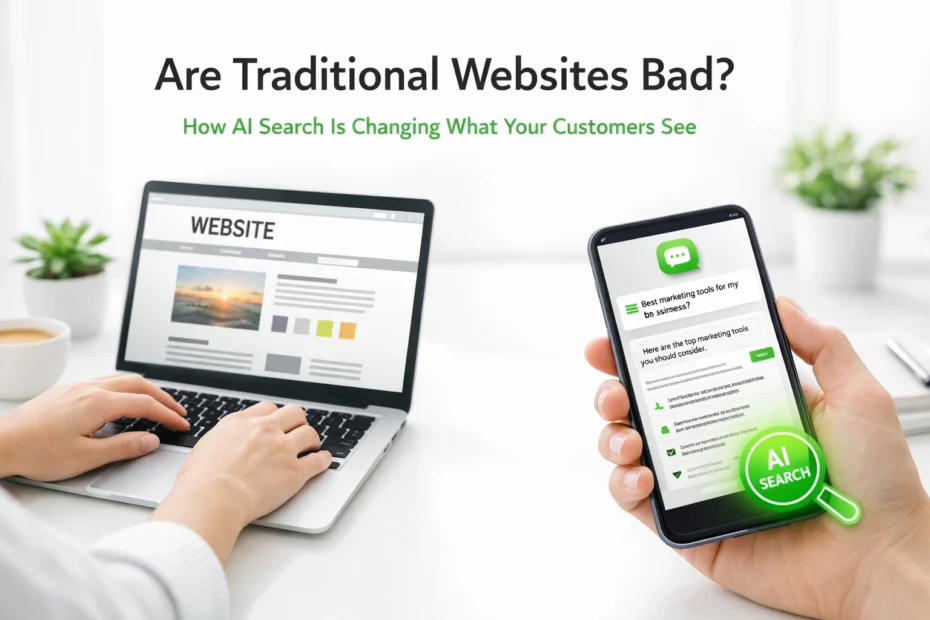
Traditional websites are not bad. However, your customers are finding them in fundamentally different ways than they did even a year ago. AI search is reshaping how people discover information online, and your web development strategy needs to account for this shift. Understanding these changes is crucial for maintaining visibility and reaching your target audience effectively.
The Shift in How Customers Find Information
AI-powered search platforms are changing user behaviour in measurable ways. Users now click on web results 75% less often when using AI chat interfaces than when using traditional search engines. Instead of browsing through a list of blue links and visiting multiple websites, customers receive direct answers with citations embedded in the response. Your website might be referenced without the user ever clicking through to view it.
Google has accelerated this transition significantly. The company now ranks its own AI-generated summaries above human-written content from third-party sites in many search results. Google's AI Overviews feature serves 1.5 billion monthly active users, creating a new layer between your website and potential customers. This represents a fundamental change in how search visibility functions for businesses of all sizes.
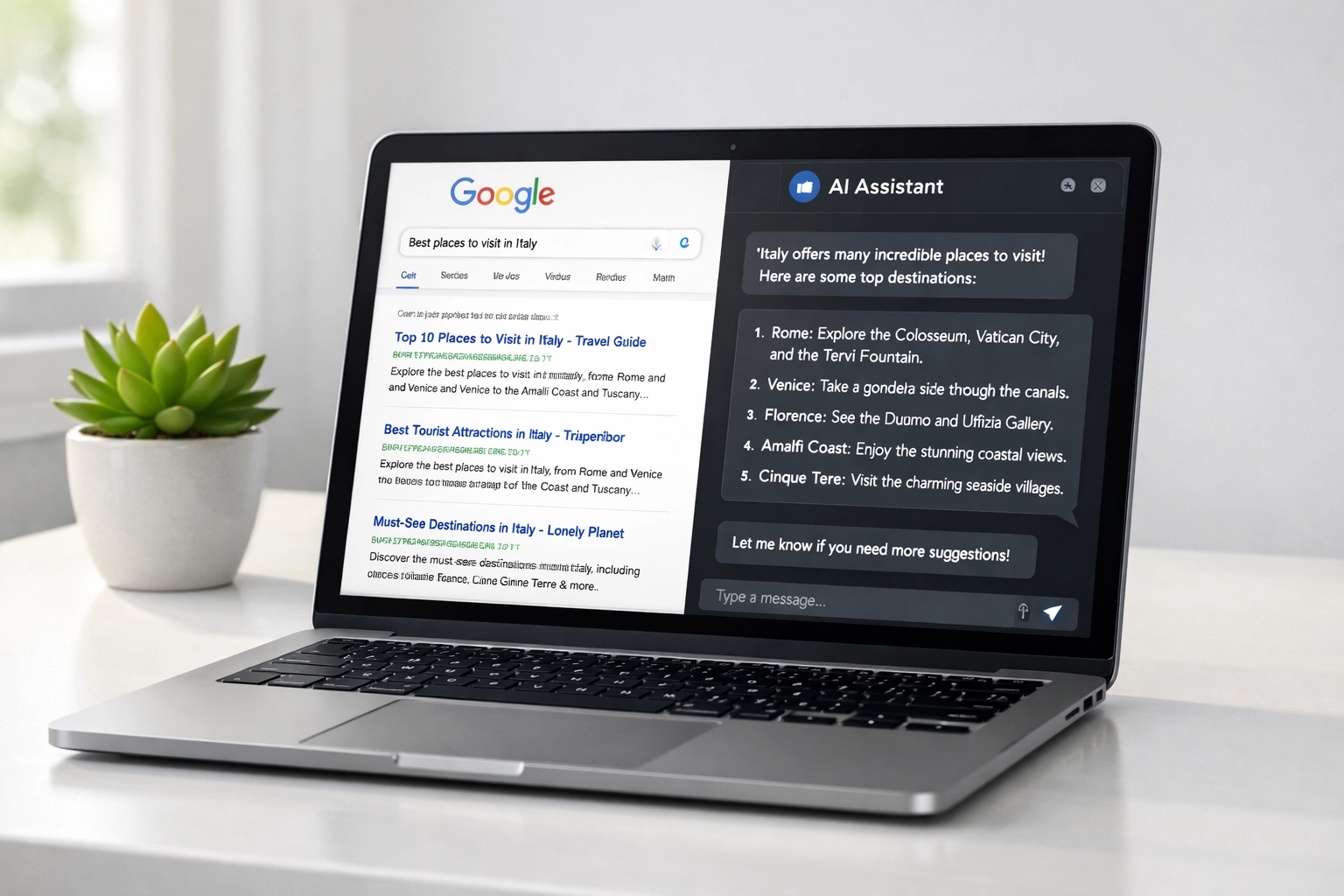
The statistics confirm the trend. Approximately 44% of AI-powered search users now cite it as their primary source of insight, compared to 31% for traditional search engines. This does not mean traditional websites have become obsolete, but it does require rethinking how you approach website design and content strategy with your web development company.
What This Means for Your Website
Your website's role is evolving from a destination to a source. AI search engines scan and synthesize information from across the web, including your site, to generate responses for users. Your content needs to be structured in ways that AI can easily parse, extract, and cite. This requires attention to technical elements that may not have been priorities in traditional web development approaches.
Schema markup and structured data have become essential rather than optional. These technical elements help AI systems understand the context and meaning of your content. As a result, working with a knowledgeable web development company that understands these requirements is more important than ever for maintaining online visibility.
Content quality and depth matter more in this environment. Surface-level pages with thin information are less likely to be referenced by AI systems. Your website needs comprehensive, authoritative content that AI platforms can confidently cite as reliable sources. This shifts the focus from keyword density to informational value and expertise demonstration.
Where Traditional Websites Still Win
Certain types of searches continue to drive direct website traffic despite the rise of AI search. Local search queries maintain strong click-through rates because users need specific details that AI summaries cannot fully provide. Contact information, business hours, service areas, and location details require users to visit your actual website or business profile.

Content depth remains a significant advantage for traditional websites. When users seek detailed guides, comprehensive analyses, or step-by-step instructions, they prefer full articles over condensed AI summaries. Your website design should emphasize these in-depth resources to maintain direct traffic and establish your expertise in your field.
Navigational and transactional searches continue to benefit from traditional search results. Users looking for specific brands, products, or services to purchase still click through to websites at high rates. Your web development strategy should ensure these pathways remain clear and optimized for direct access.
News and current events represent another area where traditional websites maintain an advantage. AI search tools often struggle with real-time information, making traditional search engines and news websites more reliable for breaking developments. Businesses that regularly publish timely content can leverage this limitation to maintain direct traffic.
Adapting Your Web Development Strategy
Your website needs to serve dual purposes in this new landscape. It must function as a standalone destination for direct visitors while also serving as an authoritative source that AI platforms can reference. This requires a balanced approach to website design and content creation.
Technical optimization is vital for AI visibility. Your site architecture should use clear hierarchies, descriptive headings, and a logical structure that AI systems can easily understand. Clean code, fast loading speeds, and mobile responsiveness remain fundamental requirements. A competent web development company will prioritize these elements as part of your overall strategy.
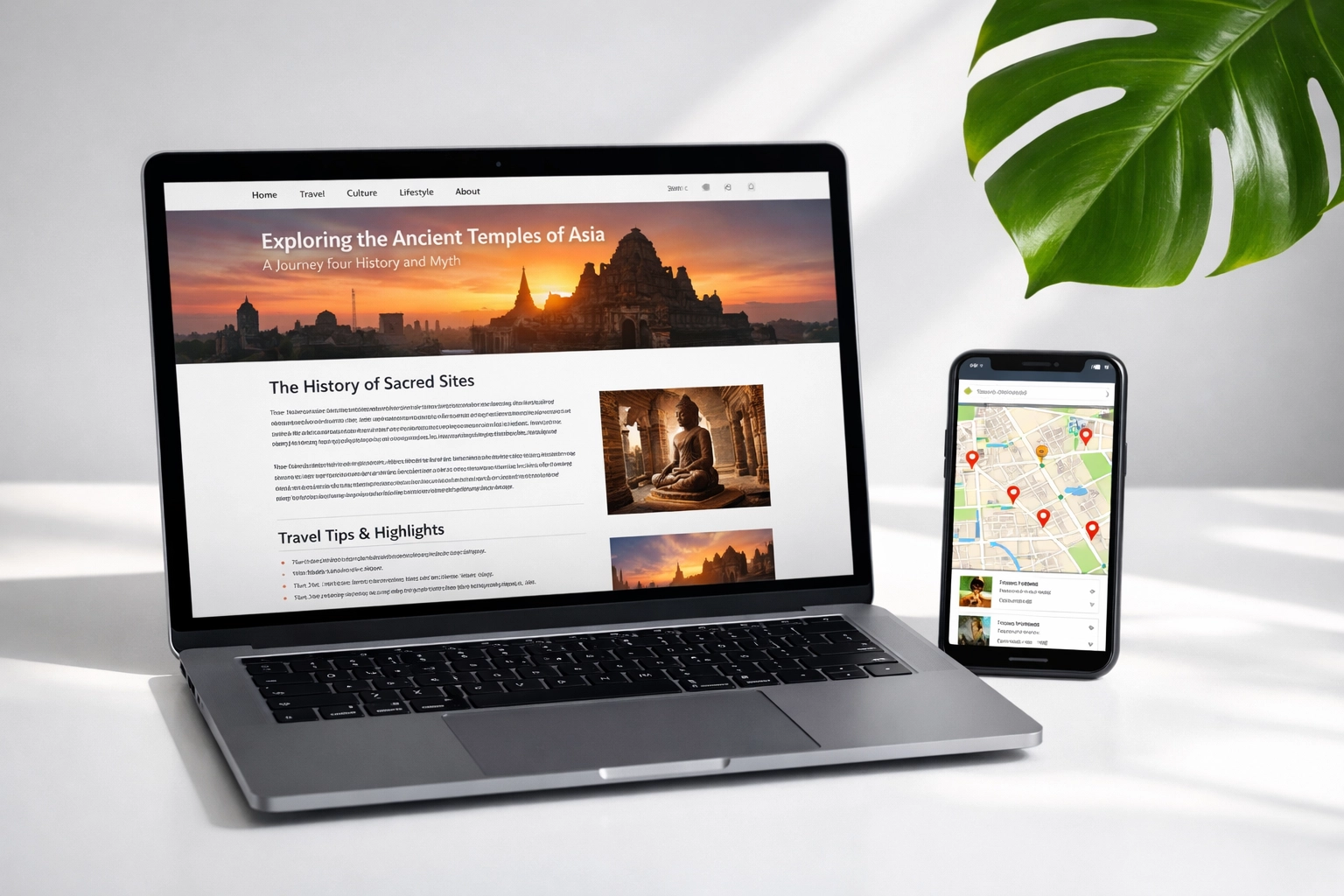
Content formatting requires special attention. Use descriptive headers that clearly indicate topic coverage. Break information into digestible sections that can be extracted and cited independently. Include definitions, explanations, and context that help AI systems understand the full scope of your content. Lists, tables, and structured formats make information easier for both human readers and AI systems to process.
Authority signals have increased in importance. Citations, references to credible sources, author credentials, and expertise indicators help AI platforms assess your content's reliability. Your website should clearly communicate who you are, what qualifies you to provide information, and why your content can be trusted as a reference source.
Practical Steps for Business Owners
Focus on creating comprehensive resource pages that thoroughly answer customer questions. These pages serve multiple purposes: they attract direct traffic from users seeking detailed information while also functioning as reference material for AI search systems. Your web development company can help structure these resources for maximum effectiveness.
Maintain accurate and detailed business information across all online properties. Local search still drives significant traffic, and consistency in your business details helps both traditional and AI search platforms display correct information. This includes your website, Google Business Profile, and other directory listings.
Monitor how AI platforms reference your website. Search for your business name and key topics in various AI search tools to see how your information appears. This feedback helps you understand what AI systems are extracting and how they present it to users. In addition, this monitoring reveals gaps or inaccuracies you need to address.
Invest in ongoing website maintenance and updates. Static websites that never change struggle to maintain relevance in AI search results. Regular content additions, updates to existing pages, and technical improvements signal that your site remains an active, current source of information. Your relationship with a reliable web development company should include plans for continuous improvement rather than one-time builds.
Finally, balance your strategy between AI optimization and human user experience. Your website still needs to convert visitors who do click through. Clear calls to action, intuitive navigation, and compelling design remain essential even as you adapt to AI search trends.
Traditional websites are not bad: they are simply operating in a changed environment. Your web development approach needs to acknowledge both AI search capabilities and the continued importance of direct user engagement. By understanding these shifts and adapting your strategy accordingly, you maintain visibility and effectiveness in reaching your customers regardless of how they search for information.