

Owning a small business in a busy neighbourhood like Innisfil or anywhere across the country is a massive undertaking. You are likely managing the day-to-day operations of your gym, contracting firm, or retail shop while trying to keep an eye on your digital presence. It is common for local business owners to feel like their website is a static digital brochure rather than a growing asset. If you feel like your website has plateaued or is failing to bring in new leads, you are not alone.
Most small business owners treat their website as a "set it and forget it" project. However, the digital landscape changes quickly, and what worked three years ago might be holding you back today. At ONLINEid, we see these hurdles every day and help local entrepreneurs turn their sites into high-performing tools.

1. Implement a Solid Search Engine Optimization Strategy
Search Engine Optimization (SEO) is crucial for making sure your business shows up when local customers search for your services. If your website is not appearing on the first page of Google, it is practically invisible to the majority of your potential market. Many small businesses ignore SEO because it feels too technical or expensive, but neglecting it is one of the primary reasons growth stalls.
To fix this, you must develop a strategy that targets specific keywords related to your industry and location. Instead of just trying to rank for "Contractor," you should aim for "Home renovation contractor in Innisfil." This local focus helps you compete with larger companies by capturing the specific intent of neighbours looking for nearby help. We focus heavily on these website creation strategies to ensure your business stands out where it matters most.
2. Optimize Your Page Loading Speeds
Your website speed is essential for keeping visitors engaged and maintaining your search engine rankings. In a world where everyone is on the move, a delay of even a few seconds can cause a potential customer to leave your site and click on a competitor instead. Slow loading times often stem from oversized images, poorly coded themes, or low-quality hosting services.
The fix involves optimizing your media files and streamlining your site's code. You should ensure that all images are compressed without losing their visual quality and that your hosting environment is built for performance. If your site takes more than three seconds to load, you are likely losing half of your mobile traffic before they even see your homepage.
3. Prioritize a Mobile-First Design
A mobile-friendly website is vital because more than half of all web traffic now comes from smartphones and tablets. Google has shifted to mobile-first indexing, meaning it primarily uses the mobile version of your content for ranking and indexing. If your site looks great on a desktop but is hard to navigate on a phone, your search rankings will suffer significantly.
Fixing this requires a responsive design that automatically adjusts to any screen size. For businesses like gyms or retail stores, having a dedicated mobile app can even further bridge the gap between you and your customers. Ensuring that buttons are easy to tap and text is readable on small screens will keep users on your site longer and increase the likelihood of a conversion.
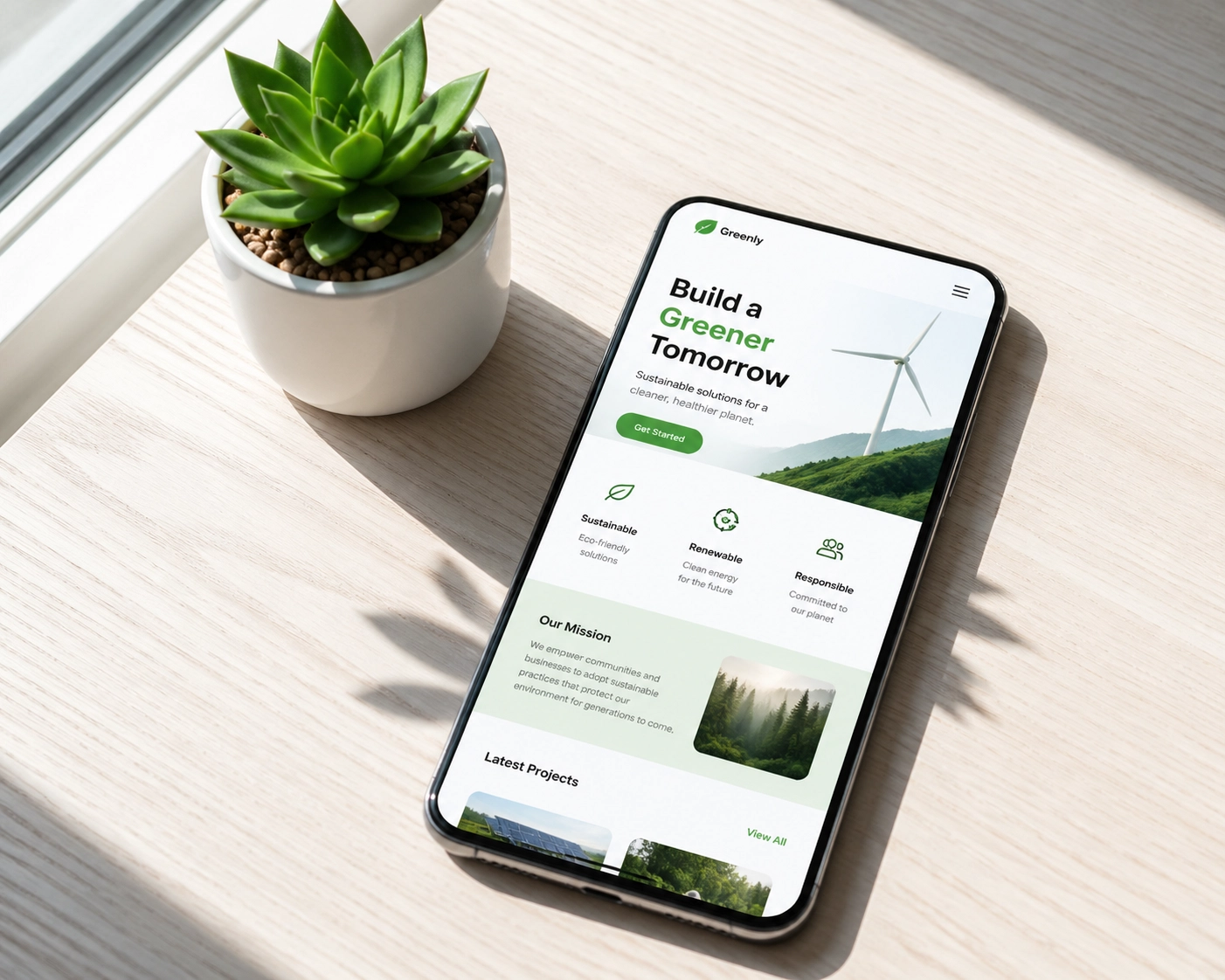
4. Create Clear and Compelling Calls to Action
A call to action (CTA) is key to guiding your visitors toward the next step in their customer journey. Many small business websites fail to grow because they do not tell the visitor exactly what to do. If a potential client lands on your page and cannot find a "Book a Quote" or "Start Your Free Trial" button within seconds, they will move on.
You should place clear, high-contrast buttons throughout your pages that lead to a specific goal. Use action-oriented language that creates a sense of urgency or value. For example, a local gym might use "Claim Your 7-Day Pass" rather than a generic "Contact Us." Each page on your site should have a primary purpose and a clear path for the user to follow.
5. Define a Clear Strategy and Purpose
Having a website without a clear business strategy is a common mistake that leads to stagnant growth. Your website should not just exist to look pretty; it needs to solve a problem for your customer or fulfill a specific business objective. When a site lacks direction, the branding becomes weak, and the messaging gets lost in the noise.
To fix this, you need to align your website's content with your overall business goals. If your goal is to get more phone calls, your phone number should be prominent on every page. If you want to showcase your portfolio, ensure your recent work is the centrepiece. At ONLINEid, we help you define this about us purpose so that every element of your site serves your bottom line.
6. Build a Robust Lead Generation System
Converting a visitor into a lead is essential for long-term business growth. Many websites attract traffic but fail to capture any information from those visitors, meaning once the user leaves, the connection is lost. Without a system to collect email addresses or inquiries, you are missing out on the chance to nurture potential clients over time.
You can fix this by integrating lead capture forms, newsletter signups, or downloadable guides. Offering something of value, like a "Home Maintenance Checklist" for a contractor's site, encourages visitors to share their contact details. Once you have a lead generation system in place, you can stay in touch with your audience and turn casual browsers into loyal customers.

7. Simplify Cluttered Layouts and Improve Readability
A clean and professional layout is crucial for building trust with your audience. When a website is cluttered with too many images, various font styles, or walls of text, it overwhelms the visitor. High bounce rates are often the result of poor readability and a lack of visual hierarchy.
The solution is to embrace whitespace and use simple, professional layouts. Stick to a consistent colour palette and font choice that reflects your brand. Use headings and bullet points to break up large sections of text, making it easier for users to scan the page for the information they need. A professional look suggests a professional business, which is vital for local service providers.
8. Streamline Navigation for Better User Experience
Confusing navigation is a major growth killer because it frustrates your users. If a customer has to click through five different menus just to find your pricing or location, they will likely give up. Your website's navigation should be intuitive and follow common web standards so that users do not have to "learn" how to use your site.
Fix your navigation by keeping your main menu simple, usually with five to seven items. Use descriptive labels that everyone understands. If you have a lot of content, consider using a "mega menu" or a search bar to help users find what they are looking for quickly. A seamless user experience keeps people on your site longer, which signals to search engines that your site is valuable.

9. Refine Your Keyword Strategy for Local Search
Using the right keywords is vital for reaching your specific target audience. Many small businesses make the mistake of targeting keywords that are too broad or too competitive, which results in no traffic. Additionally, failing to include local identifiers means you might be attracting visitors from the other side of the world who can never actually buy from you.
To fix your keyword strategy, focus on "long-tail" keywords that include your city or neighbourhood. Use tools to research what your actual customers are typing into Google. Incorporating these terms naturally into your blog posts, service pages, and meta descriptions will help you dominate the local search results. This targeted approach is much more effective for small businesses with limited marketing budgets.
10. Stay Consistent with Managed Updates and Innovation
A website that is never updated quickly becomes obsolete. Technology moves fast, and if you stop innovating, your competitors will eventually pass you by. However, most small business owners simply do not have the time to manage technical updates, security patches, and fresh content on a daily basis.
The fix is to move toward a managed online presence. At ONLINEid, we handle everything from hosting and security to SEO and content updates. This means you only ever have to deal with one person for all your digital needs. We ensure your site stays modern and continues to grow while you focus on running your business. This personal, managed approach removes the stress of DIY website maintenance and ensures professional results.
In conclusion, your small business website's growth depends on a combination of technical performance, strategic content, and a user-focused design. By addressing issues like slow loading speeds, poor SEO, and confusing navigation, you can turn your site into a powerful lead-generation machine. Implementing a mobile-first approach and clear calls to action will further enhance your ability to convert visitors into customers. Finally, choosing a managed service provider allows you to stay ahead of the competition without sacrificing your time.
If you are ready to fix these issues and start growing your online presence today, we are here to help. You can call us at (289) 807-6364 to discuss how we can take the technical weight off your shoulders and get your business the attention it deserves. Give us a call at (289) 807-6364 and we will get you started on the right path.